


Do melasma spots that appear during pregnancy fade after childbirth?

Generally, whether melasma developed during pregnancy resolves postpartum depends on the type of pigmentation and subsequent skincare measures. If any discomfort arises, prompt medical consultation is recommended. A detailed analysis follows:
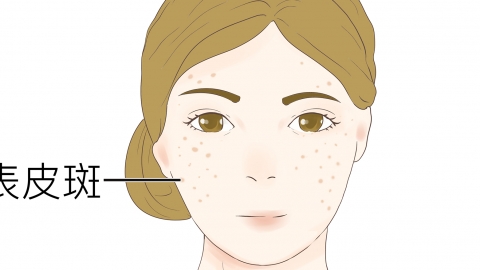
Most pigmentary spots that appear during pregnancy gradually fade and resolve after childbirth. These spots typically result from transient hormonal fluctuations during pregnancy, causing temporary melanin accumulation in the skin—primarily in the superficial layers. Following delivery, hormonal levels gradually return to baseline, and cutaneous metabolic function progressively normalizes; consequently, superficial pigment is gradually eliminated through natural skin turnover, leading most spots to fade and eventually disappear.
However, pigmented spots resulting from prolonged ultraviolet (UV) exposure combined with hormonal imbalance are unlikely to resolve spontaneously postpartum. In such cases, pigment deposition occurs at deeper dermal layers, forming stable, fixed melanin deposits that cannot be fully cleared by the body’s natural metabolic processes alone. Persistent irregular sleep patterns and inadequate sun protection postpartum may further exacerbate pigment accumulation, intensify hyperpigmentation, and cause long-term persistence of these spots on the skin surface.
Postpartum, consistent sun protection is essential to prevent ongoing UV-induced skin stimulation. Maintaining regular sleep-wake cycles and balanced nutrition—including ample intake of vitamin-rich foods—helps accelerate skin metabolism. Gentle skincare routines that preserve skin hydration also support the gradual lightening of superficial pigment and overall improvement in skin condition.


