


Can hypopituitarism affect appetite?

Generally, whether hypopituitarism affects appetite depends on the severity of the condition. If any discomfort symptoms arise, prompt medical consultation is recommended. A detailed analysis follows:
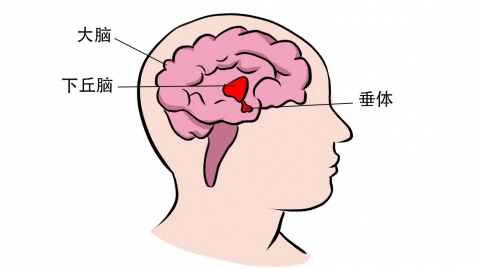
In mild hypopituitarism, appetite remains unaffected. Hormonal fluctuations are minimal, digestive gland function remains stable, and gastrointestinal absorption and motility proceed normally—thus, appetite and regular eating patterns remain unchanged.
In severe hypopituitarism, appetite is directly reduced due to insufficient secretion of multiple hormones involved in metabolism and digestion. Gastrointestinal motility slows, digestive enzyme secretion decreases, and persistent symptoms such as abdominal distension and nausea develop. Consequently, appetite progressively declines, often accompanied by weight loss and lethargy.
Meals should consist of light, easily digestible foods; smaller, more frequent meals help reduce gastrointestinal burden. Maintaining a regular daily routine and periodically monitoring hormone levels support stable metabolic function and help prevent progressive deterioration of appetite.


