


How to Treat Psoriasis for Complete Cure

Psoriasis is commonly referred to as “ox-skin disease” in traditional Chinese vernacular. Generally, psoriasis cannot be completely cured; however, various treatment approaches—including general management, physical therapy, topical medications, oral medications, and Traditional Chinese Medicine (TCM)—can effectively improve symptoms. If discomfort or worsening symptoms occur, prompt medical consultation is strongly advised. A detailed analysis follows:
1. General Management
Patients should maintain clean, well-hydrated skin and consistently apply moisturizing skincare products to restore the skin barrier. Daily routines should include adequate sleep and regular作息 (sleep-wake cycles), avoiding late-night activities and excessive fatigue. Dietary habits should be adjusted accordingly—spicy and irritating foods should be avoided—and emotional stability should be maintained to minimize triggers of skin inflammation and thereby help control lesion progression.
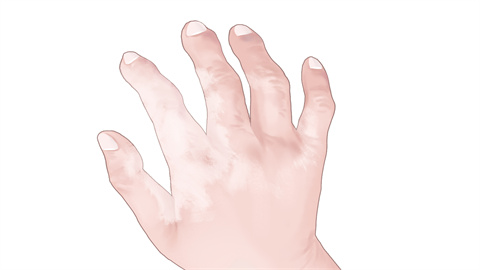
2. Physical Therapy
Physical therapy is suitable for most patients with psoriasis, with narrowband ultraviolet B (NB-UVB) phototherapy being the most commonly used modality. UV radiation at specific wavelengths suppresses excessive epidermal cell proliferation, modulates local cutaneous immune responses, reduces inflammatory reactions, and gradually resolves erythema and scaling—making it an effective adjunctive treatment for moderate-to-severe psoriasis.
3. Topical Medication Therapy
Topical agents act directly on affected skin areas and are associated with a high safety profile. Under physician guidance, patients may use calcipotriol ointment, halometasone cream, or benzofurazan (benivudine) cream to improve lesion appearance and alleviate associated cutaneous discomfort.
4. Oral Medication Therapy
For patients with severe or widespread psoriatic lesions, systemic oral therapy may be indicated. Under medical supervision, acitretin capsules or compound glycyrrhizin tablets may be prescribed to regulate metabolic and immune functions, suppress aberrant cutaneous inflammatory responses, and prevent further dissemination of lesions.
5. Traditional Chinese Medicine (TCM) Therapy
According to TCM theory, psoriasis is often attributed to patterns such as blood-heat, blood-stasis, or blood-dryness. Treatment principles focus on cooling the blood, invigorating circulation, moistening dryness, and detoxifying. Patent herbal formulas such as Xiaoyin Granules may be used to regulate internal physiological balance. Complementary therapies—including standardized cupping and meridian regulation—may also be employed to enhance local blood and qi circulation and alleviate cutaneous manifestations.
In addition, patients must strictly adhere to prescribed treatment regimens and avoid unguided modifications to their therapeutic approach. Regular follow-up visits to healthcare providers are essential to monitor skin recovery and adjust treatment plans accordingly. Consistent daily skin care practices are also vital to reduce the risk of disease recurrence.


