


What Causes Tinea Versicolor?

In general, tinea versicolor may be caused by factors such as excessive sweating and moist skin, overactive sebum production, *Malassezia* infection, seborrheic dermatitis, or underlying immunocompromised conditions. Patients can improve their condition by adjusting lifestyle habits and/or undergoing pharmacological treatment, depending on the specific cause. A detailed analysis follows:
1. Excessive Sweating and Moist Skin
Prolonged, heavy sweating—especially when combined with poor skin ventilation—creates a warm, humid microenvironment on the skin surface that favors fungal proliferation. To mitigate this, sweat should be promptly wiped away, and clothing should be changed regularly for dry, breathable alternatives to maintain skin ventilation and dryness.
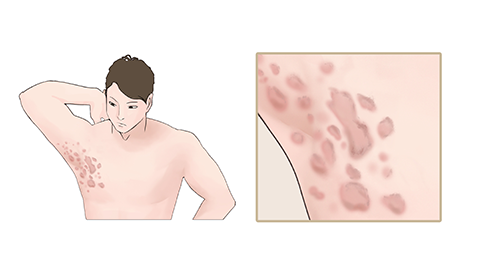
2. Overactive Sebum Production
Excessive sebum secretion from sebaceous glands accumulates on the skin surface, altering the cutaneous microenvironment and providing nutrients conducive to fungal growth. Adopting gentle daily skin cleansing routines and maintaining a light, balanced diet—while minimizing intake of high-fat and high-sugar foods—is recommended.
3. *Malassezia* Infection
*Malassezia* species are normal commensals residing on the skin surface; however, their overgrowth can invade the stratum corneum, triggering superficial fungal infection and resulting in the characteristic lesions of tinea versicolor. Topical antifungal agents—including ketoconazole cream, bifonazole cream, and terbinafine cream—may be prescribed under medical supervision.
4. Seborrheic Dermatitis
Cutaneous inflammation compromises the epidermal barrier function, leading to microbial dysbiosis and facilitating uncontrolled fungal proliferation, which may secondarily trigger tinea versicolor. Treatment options—under physician guidance—include calcitriol ointment, pimecrolimus cream, and itraconazole capsules.
5. Immunocompromised Conditions
Chronic disorders affecting skin metabolism can impair cutaneous defense mechanisms, significantly increasing susceptibility to fungal infection. Immune-modulating agents—such as thymosin enteric-coated tablets, transfer factor capsules, and pidotimod dispersible tablets—may be used to support systemic immune function.
In daily life, proper skin cleansing and moisturization, maintenance of a dry and well-ventilated skin surface, regular sleep patterns to enhance overall immunity, and reduced consumption of greasy and sugary foods are essential. Early intervention is advised upon noticing subtle clinical signs—such as hypopigmented macules or mild scaling—to prevent persistent fungal proliferation and progressive lesion worsening.


