


Can psoriasis be cured?

Psoriasis is commonly referred to as “psoriasis vulgaris” (often colloquially called “牛皮癣,” or “ox-hide psoriasis”). In most cases, psoriasis cannot be cured. If symptoms arise, prompt medical consultation is recommended. A detailed explanation follows:
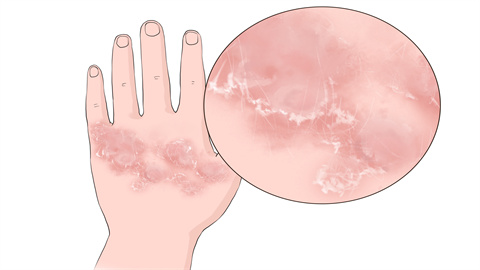
This condition is a chronic autoimmune skin disorder. Persistent dysregulation of the immune system leads immune cells to mistakenly and continuously attack the body’s own skin tissue, resulting in excessive epidermal cell proliferation and recurrent skin lesions. The underlying genetic predisposition—present from birth—cannot be completely eliminated and establishes an inherent susceptibility to the disease. Additionally, various external triggers—including environmental irritants, emotional stress, and cutaneous inflammation—may precipitate disease relapse at any time. Current treatments can only control skin lesions and stabilize immune function; they cannot fundamentally correct the genetic abnormalities or resolve the root cause of immune dysregulation, rendering the condition prone to recurrence.
Consistent daily skincare helps maintain skin stability and reduces the frequency of flare-ups. It is essential to regularly moisturize the entire body to restore and reinforce the skin’s protective barrier, while avoiding trauma, allergic reactions, and inflammatory skin conditions. Maintaining regular sleep patterns and emotional equilibrium is crucial—chronic sleep deprivation and excessive anxiety should be avoided. Diet should be light and well-balanced; spicy and irritating foods should be limited, and exposure to adverse environmental factors—such as dryness and excessive sun exposure—should be minimized.


