


How is guttate psoriasis treated?

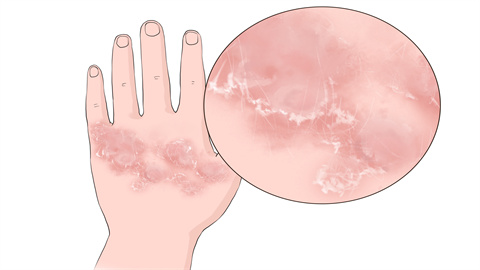
Guttate psoriasis, medically termed “guttate psoriasis,” is characterized by small, drop-like lesions. Standard treatment approaches typically include general management, physical therapy, topical medications, systemic (oral) medications, and Traditional Chinese Medicine (TCM). Should any discomfort or symptoms arise, prompt medical consultation is strongly advised. A detailed breakdown follows:
1. General Management
Patients should maintain clean, well-moisturized skin and avoid scratching or rubbing affected areas to prevent skin injury and secondary infection. Adequate rest is essential; patients should avoid staying up late or overexertion. Dietary adjustments are also important: spicy and irritating foods should be avoided, while intake of vitamins and high-quality protein should be increased to bolster immune function and support cutaneous repair.
2. Physical Therapy
Physical therapy—particularly narrowband ultraviolet B (NB-UVB) phototherapy—is commonly used to improve the widespread, discrete (guttate) skin lesions associated with guttate psoriasis. This modality helps regulate epidermal keratinocyte proliferation, suppress excessive cutaneous inflammatory responses, alleviate erythema and scaling, and gradually restore the impaired skin barrier.
3. Topical Medication Therapy
Topical agents act directly on lesional skin to relieve symptoms. Under physician guidance, patients may use calcipotriol ointment, tacrolimus ointment, or mometasone furoate cream to reduce inflammation and scaling.
4. Systemic (Oral) Medication Therapy
For more severe cases, oral medications may be prescribed to modulate systemic immune status and halt lesion progression. Options—used strictly under medical supervision—include compound glycyrrhizin tablets, Xiaoyin granules, and tripterygium glycosides tablets, all aimed at stabilizing cutaneous immune homeostasis and inhibiting further lesion spread.
5. Traditional Chinese Medicine (TCM) Therapy
According to TCM theory, guttate psoriasis often stems from patterns such as blood-heat, wind-dryness, and blood-stasis. Treatment therefore focuses on cooling the blood, dispelling wind, moistening dryness, and invigorating blood circulation. Herbal formulas such as Liangxue Xiaofeng Tang may be prescribed to regulate internal physiological balance. Complementary acupuncture point fumigation therapy helps unblock meridians in the skin, enhance local blood and qi circulation, and gradually diminish visible lesions.
Additionally, patients must adhere consistently to evidence-based interventions throughout treatment, maintain emotional stability, and diligently practice skin moisturization and protection. Regular self-monitoring of skin condition is recommended; treatment plans should be adjusted according to clinical response. Should symptoms worsen, immediate medical evaluation and intervention are essential.


