


What Are the Early Symptoms of Psoriasis?

Psoriasis is commonly referred to as “ox-hide psoriasis” in traditional Chinese terminology. Typically, early symptoms of psoriasis include pinpoint erythematous macules, thin silvery-white scales, mild pruritus, punctate bleeding upon scale removal (Auspitz sign), and dry, cracked skin. If any of these symptoms occur, it is advisable to seek timely evaluation and treatment at a reputable hospital. A detailed analysis follows:
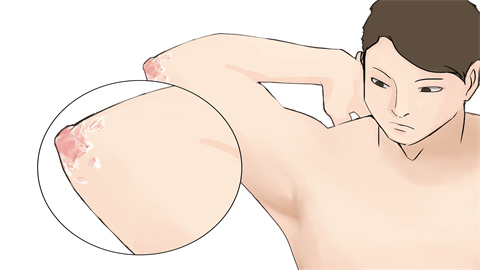
1. Pinpoint Erythematous Macules
These appear as tiny red spots—ranging in size from pinprick to millet grain—on the trunk and extremities. Following immune dysregulation, cutaneous capillaries undergo persistent congestion and dilation, triggering a mild localized inflammatory response that manifests as scattered, pale-red lesions—a hallmark feature of early-stage psoriasis.
2. Thin Silvery-White Scales
Thin, silvery-white scales adhere to the surface of erythematous plaques; they are delicate and easily shed. Abnormally accelerated epidermal cell turnover leads to excessive accumulation of immature keratinocytes in the stratum corneum, resulting in fine, flaky white scales. After desquamation, the underlying lesion remains smooth.
3. Mild Pruritus
Intermittent, mild itching may occur at affected sites, typically remaining relatively mild in intensity. Local inflammation releases various pro-inflammatory mediators that chronically stimulate subcutaneous nerve endings, eliciting pruritus—though severe or intolerable discomfort is uncommon.
4. Punctate Bleeding (Auspitz Sign)
Gently scraping away superficial scales reveals minute bleeding points at the lesion site. Once scales are removed, dilated capillaries beneath become exposed; even minor trauma to these superficial vessels results in pinpoint hemorrhages—a characteristic early sign of psoriasis.
5. Xerosis and Fissuring
In early disease stages, affected skin—and surrounding areas—exhibit accelerated transepidermal water loss, leading to progressive dryness and roughness; in severe cases, superficial fissures develop. Impaired skin barrier function significantly reduces moisture retention capacity, while ongoing inflammation further exacerbates dryness and cracking.
Additionally, some individuals may experience localized skin tightness during early disease onset. In daily life, comprehensive skin moisturization, avoidance of external irritants, maintenance of regular sleep-wake cycles, and enhancement of cutaneous immune resilience are recommended. Early intervention can effectively curb disease progression.


