


Where does cholecystitis cause pain?

Generally, common pain locations associated with cholecystitis include the epigastrium (upper central abdomen), the right upper quadrant beneath the ribs, the right shoulder and back, the upper central abdomen, and the right lumbar–abdominal region. If any discomfort occurs, prompt medical evaluation and treatment at a reputable hospital are recommended. A detailed analysis follows:
1. Pain in the Right Upper Quadrant (Epigastric Region)
The right upper quadrant is the primary surface projection of the gallbladder. During cholecystitis, inflammation causes hyperemia and edema of the gallbladder mucosa, stimulating abdominal wall nerves and resulting in persistent dull or distending pain localized to this area. Symptoms typically worsen significantly after consuming fatty or greasy foods.
2. Pain Beneath the Right Ribs
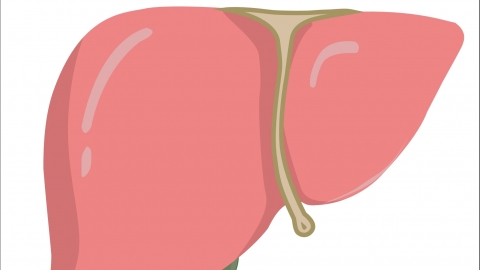
The gallbladder lies deep beneath the inferior margin of the right rib cage, adjacent to the liver. As inflammation progresses, the gallbladder may enlarge; this distended organ stretches surrounding peritoneal tissues, causing tenderness beneath the right ribs. Pain intensifies upon palpation and especially upon release of pressure (“rebound tenderness”).
3. Pain in the Right Shoulder and Back
Inflammation of the gallbladder can irritate the phrenic nerve within the abdominal cavity, leading to referred pain—characterized by a persistent, dull, aching sensation radiating to the right shoulder and back. This pain is typically unaffected by limb movement.
4. Pain in the Upper Central Abdomen (Epigastrium)
During early-stage or mild cholecystitis, pain may be localized to the upper central abdomen. Inflammatory stimulation can disrupt gastrointestinal motility, producing a sensation of distension or dull pain in the epigastrium—symptoms easily mistaken for gastric discomfort.
5. Pain in the Right Lumbar–Abdominal Region
In severe cholecystitis, inflammation may extend outward, irritating the fascia and soft tissues of the right lumbar–abdominal area, resulting in a dragging or heavy ache. Some individuals may also experience low-back soreness or a feeling of fullness.
Additionally, in severe cases, pain may radiate to other areas of the abdomen. In daily life, maintaining a light, low-fat diet, eating regular meals, and avoiding overeating or binge eating help reduce gallbladder workload and lower the risk of inflammatory episodes.


