


What Are the Symptoms of Prostatitis?

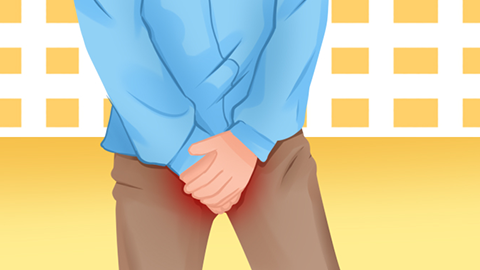
Generally, common symptoms of prostatitis include frequent and urgent urination, painful or burning urination, a sensation of heaviness or discomfort in the perineum, incomplete bladder emptying, and whitish discharge from the urethral meatus.
If any of these symptoms occur, it is advisable to seek timely evaluation and treatment at a reputable hospital. A detailed analysis follows:
1. Frequent and Urgent Urination
Frequent and urgent urination manifests as increased urinary frequency and markedly shortened intervals between voidings, accompanied by a sudden, compelling urge to urinate. Prostatic inflammation leads to congestion and swelling, which compresses and irritates the bladder neck, thereby increasing bladder sensitivity—resulting in the urge to void even with minimal urine accumulation.
2. Dysuria (Painful/Burning Urination)
Dysuria typically presents as a burning sensation or pain during urination. Inflammation causes congestion and damage to the urethral mucosa; when urine passes over this compromised mucosal surface, it induces irritation and discomfort, which gradually subsides after voiding concludes.
3. Perineal Heaviness or Discomfort
This symptom is localized to the perineum and lower abdominal region and commonly presents as persistent, dull, heavy discomfort. As the prostate lies deep within the pelvic cavity, inflammatory congestion exerts continuous pressure on surrounding pelvic soft tissues and nerves, leading to local stasis and a sensation of heaviness—symptoms often worsen with prolonged sitting or urinary retention.
4. Incomplete Bladder Emptying
Incomplete bladder emptying refers to the persistent subjective sensation that the bladder has not fully emptied after urination. Prostatic enlargement compresses the urethra, increasing resistance to urine flow and impairing smooth voiding; residual urine accumulates within the urethra, perpetuating the perception of incomplete emptying.
5. Whitish Urethral Discharge
Whitish urethral discharge appears as small amounts of thin, milky-white fluid emerging from the urethral meatus, especially at the end of urination or during defecation. Inflammatory stimulation triggers excessive production of prostatic secretions and abnormal opening/closing of prostatic ducts, allowing surplus secretions to spontaneously leak externally.
Additionally, as the condition progresses, patients may experience fatigue and vague lower abdominal pain. In daily life, it is essential to avoid prolonged sitting and urinary retention, maintain genital hygiene, adhere to regular sleep-wake cycles and moderate physical activity, limit intake of spicy or irritating foods, and support normal pelvic metabolism to minimize recurrent inflammation.


