


What Are the Obvious Symptoms of Pelvic Inflammatory Disease?

Generally, common symptoms of pelvic inflammatory disease (PID) include a sensation of heaviness or dull pain in the lower abdomen, abnormal vaginal discharge, menstrual irregularities, low-grade fever, and soreness or aching in the lumbosacral region. If any of these symptoms occur, it is advisable to seek timely medical evaluation and treatment at a reputable hospital. A detailed analysis follows:
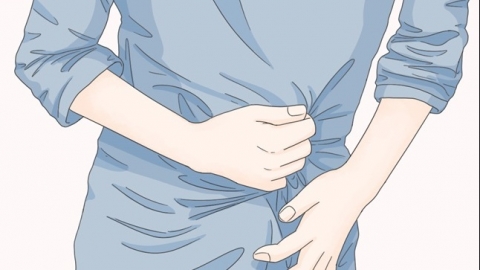
1. Heaviness or Dull Pain in the Lower Abdomen
This symptom typically manifests as persistent, dull, or distending pain in the lower abdomen and is a classic sign of PID. Inflammation within the pelvis leads to congestion and edema of pelvic tissues; inflammatory substances continuously irritate the pelvic peritoneum, resulting in a sensation of abdominal heaviness or distension. Discomfort tends to worsen following physical exertion or sexual intercourse.
2. Abnormal Vaginal Discharge
Abnormal vaginal discharge is characterized by increased volume, thicker consistency, and an unpleasant odor. Pelvic inflammation stimulates the endometrial and cervical glands, disrupting their secretory function and altering the characteristics of secretions; some individuals may notice yellowish discharge.
3. Menstrual Irregularities
Menstrual irregularities may present as prolonged menses or increased menstrual flow. Persistent pelvic congestion interferes with normal uterine contractions and disrupts regular shedding of the endometrium, thereby disturbing the uterus’s cyclical metabolic activity and leading to abnormalities in both menstrual cycle length and flow volume.
4. Low-Grade Fever
Low-grade fever usually presents as a persistent, mild elevation in body temperature. Inflammatory foci within the pelvis continuously release inflammatory cytokines, which enter systemic circulation and activate the body’s immune defense response, resulting in a slight rise in temperature.
5. Lumbosacral Soreness or Aching
Lumbosacral discomfort is localized to the lower back and manifests as persistent, dull, or aching pain. As the pelvis shares neural connections with the lumbosacral nerves, ongoing inflammation can spread and irritate these nerves, causing lumbar discomfort. Symptoms often become more pronounced after prolonged sitting or standing.
In addition, chronic or recurrent PID may also be accompanied by generalized fatigue and recurrent lower abdominal heaviness or distension. In daily life, maintaining external genital hygiene, avoiding unprotected or unhygienic sexual activity, practicing proper menstrual hygiene, preventing excessive physical strain, and enhancing overall immunity are essential measures to reduce the risk of recurrent pelvic inflammatory disease.


