


What medications are effective for quickly treating urethritis?

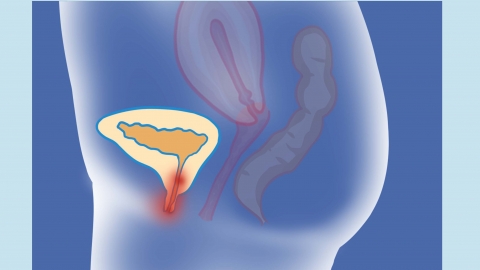
Generally, urethritis is an inflammatory condition caused by pathogenic bacteria invading the urethra. Common symptoms include urinary frequency, urgency, urethral burning or pain, and increased urethral discharge. Patients may follow their physician’s instructions to use medications such as norfloxacin capsules, cefdinir dispersible tablets, fosfomycin trometamol powder, azithromycin dispersible tablets, and ciprofloxacin tablets for treatment. A detailed analysis follows:
1. Norfloxacin Capsules
Norfloxacin belongs to the quinolone class of broad-spectrum antibacterial agents. It inhibits bacterial DNA gyrase activity, thereby interfering with bacterial nucleic acid replication and synthesis. It exhibits potent bactericidal activity against common uropathogens causing urethritis—such as Escherichia coli and Proteus species—and is widely used clinically for treating bacterial urethritis.
2. Cefdinir Dispersible Tablets
This medication is a third-generation cephalosporin antibiotic that exerts its bactericidal effect by inhibiting bacterial cell wall synthesis. It demonstrates good antimicrobial activity against most Gram-negative bacteria and some Gram-positive bacteria, offering a broad spectrum of coverage. It is suitable for treating various types of bacterial urethritis, particularly mild-to-moderate cases.
3. Fosfomycin Trometamol Powder
A broad-spectrum antibacterial agent, fosfomycin interferes with bacterial cell wall synthesis, compromising structural integrity. It shows high sensitivity against common uropathogens responsible for urethral infections, and its active components achieve effective concentrations within the urethra, thereby specifically alleviating urethritis symptoms.
4. Azithromycin Dispersible Tablets
Azithromycin is a macrolide antibiotic that exerts antimicrobial effects by inhibiting bacterial protein synthesis. In addition to its efficacy against common bacteria, it also acts against atypical pathogens such as Mycoplasma and Chlamydia, making it particularly suitable for treating non-gonococcal urethritis.
5. Ciprofloxacin Tablets
Ciprofloxacin is a quinolone antimicrobial agent with stronger antibacterial activity than many other agents in its class. It potently suppresses pathogen proliferation and growth and demonstrates excellent eradication efficacy against causative organisms in refractory or complicated urethritis. Its clinical application is therefore extensive.
In daily life, patients should cultivate healthy habits: drink ample water to flush the urethra, and avoid spicy or irritating foods—such as chili peppers, ginger, and mustard—to prevent exacerbation of inflammation and promote recovery.


