


What Are the Symptoms of Rheumatoid Arthritis?

Generally, common symptoms of rheumatic arthritis include joint redness and swelling, joint pain, joint stiffness, restricted joint mobility, and low-grade fever throughout the body. If any of these symptoms occur, it is advisable to seek timely medical evaluation and treatment at a reputable hospital. A detailed analysis follows:
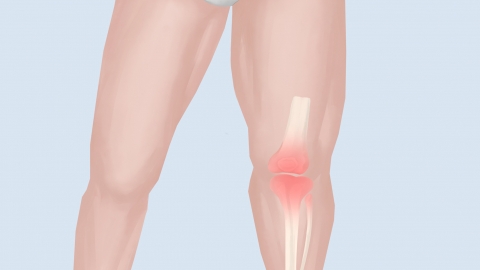
1. Joint Redness and Swelling
Joint redness and swelling commonly affect large joints such as the knees, ankles, shoulders, and elbows. The skin over the affected area becomes warmer and appears reddened and swollen. Following immune system dysfunction, inflammatory reactions occur in the synovial membrane of the joint, leading to local vasodilation and accumulation of exudative tissue fluid—resulting in joint hyperemia, swelling, and alteration of normal joint morphology.
2. Joint Pain
Joint pain typically exhibits a migratory pattern, shifting among different joints. Persistent inflammation stimulates nerves and soft tissues within the joint, causing continuous dull or distending pain. Symptoms often worsen with physical fatigue or exposure to cold, thereby interfering with routine limb movement.
3. Joint Stiffness
Joint stiffness frequently occurs upon waking or after prolonged immobility, manifesting as reduced flexibility during flexion and extension of limbs. During nighttime rest, inflammatory substances accumulate within the joint space, causing transient adhesion of surrounding soft tissues. Appropriate limb movement promotes improved blood circulation, gradually alleviating stiffness.
4. Restricted Joint Mobility
Restricted joint mobility is characterized by decreased range of motion in flexion, extension, and rotation. Joint swelling and inflammatory stimulation trigger protective muscle spasms in surrounding musculature and reduce soft-tissue elasticity, impeding normal joint movement. In severe cases, basic activities such as walking or raising the arms may be significantly affected.
5. Systemic Low-Grade Fever
Systemic low-grade fever often coincides with joint discomfort and is marked by a mild elevation in body temperature. Joint inflammation activates the immune system, triggering systemic inflammatory responses that cause slight increases in body temperature; some individuals may also experience generalized fatigue.
In addition, rheumatic arthritis may present with muscle aches and limb weakness. In daily life, patients should maintain adequate joint warmth, avoid cold and damp environments, minimize strenuous exercise and excessive fatigue, engage in moderate joint movement, undergo regular health check-ups, and pursue early diagnosis and treatment to prevent disease progression.


