


What Is the Most Effective Medication for Reflux Esophagitis?

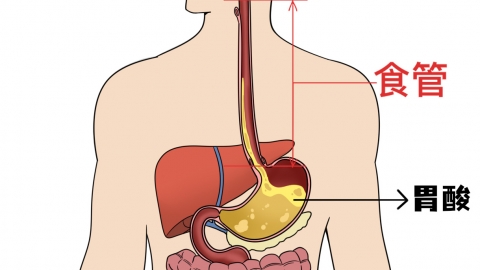
Generally speaking, there is no universally recognized “most effective medication” for reflux esophagitis. Reflux esophagitis is an inflammatory condition caused by gastric acid reflux that erodes the esophageal mucosa. Patients should follow their physician’s instructions and may be prescribed medications such as omeprazole enteric-coated capsules, pantoprazole sodium enteric-coated tablets, tegoprazan tablets, keprazan hydrochloride tablets, or sucralfate suspension for treatment. A detailed analysis follows:
1. Omeprazole Enteric-Coated Capsules
Omeprazole enteric-coated capsules are a classic proton pump inhibitor (PPI) that acts on gastric parietal cells to block the key step in gastric acid secretion, thereby reducing both basal and postprandial gastric acid production. By lowering gastric acidity, these capsules alleviate the corrosive irritation of refluxed gastric acid on the esophageal mucosa and support gradual healing of damaged esophageal tissue. They are suitable for reflux esophagitis of all severity levels.
2. Pantoprazole Sodium Enteric-Coated Tablets
Pantoprazole sodium enteric-coated tablets are a selective proton pump inhibitor with highly specific inhibitory activity against gastric acid secretion pathways. They provide stable and sustained acid suppression, have minimal drug interactions, and offer a high safety profile. These tablets effectively control core symptoms such as acid regurgitation and heartburn, and alleviate esophageal mucosal congestion and edema—making them well-suited for long-term management of reflux esophagitis.
3. Tegoprazan Tablets
Tegoprazan tablets belong to a novel class of potassium-competitive acid blockers (P-CABs). They rapidly bind to acid-secretion sites in the stomach, inhibiting both gastric acid synthesis and release. With a fast onset of action and prolonged duration covering the entire 24-hour period—including nighttime—tegoprazan provides continuous suppression of nocturnal gastric acid reflux and effectively improves nighttime symptoms such as heartburn and retrosternal burning pain, making it ideal for long-term treatment of reflux esophagitis.
4. Keprazan Hydrochloride Tablets
Keprazan hydrochloride tablets are an innovative, clinically approved acid-suppressing agent that competitively binds to potassium ion sites on gastric parietal cells, thereby inhibiting gastric acid secretion. This medication maintains stable gastric pH control, reduces the frequency of acidic reflux episodes, mitigates ongoing mucosal injury, helps resolve esophageal inflammation, and improves symptoms including dysphagia and acid regurgitation.
5. Sucralfate Suspension
Sucralfate suspension is a gastroesophageal mucosal protective agent. It forms a protective barrier over damaged esophageal mucosa, shielding it from continued irritation by gastric acid and food. Additionally, it promotes mucosal repair and regeneration, alleviates inflammation-related symptoms such as burning pain and foreign-body sensation, and aids in relieving various discomforts associated with reflux esophagitis.
In daily life, patients should adopt habits such as eating smaller, more frequent meals; remaining upright after meals; avoiding prolonged sitting or lying down; limiting intake of spicy, sour, or sweet foods; maintaining regular sleep-wake cycles; and minimizing abnormal gastric acid secretion—all of which support recovery from esophageal inflammation.


