


How many days after minimally invasive appendectomy can a patient be discharged?

Under normal circumstances, patients undergoing minimally invasive appendectomy can be discharged 3–5 days postoperatively. If any discomfort or symptoms arise, prompt medical consultation is recommended. A detailed analysis follows:
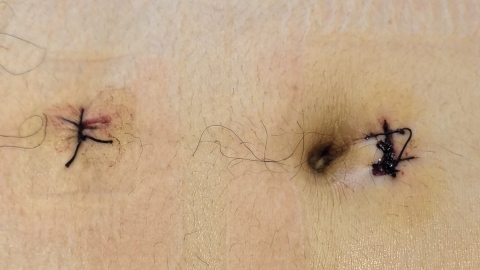
When intraoperative findings reveal only mild appendiceal congestion and no residual purulent fluid in the abdominal cavity, patients may begin slow ambulation within half a day after surgery. Gastrointestinal function—particularly flatus and bowel movement—recovers rapidly; body temperature remains consistently normal; the surgical wound surface stays dry without exudate; and tolerance to small amounts of thin rice porridge or clear fluids is good, with no associated abdominal distension or nausea. Laboratory blood tests show all parameters within normal limits, and overall clinical status remains stable. Such patients may be discharged as early as postoperative Day 3.
In cases of suppurative or perforated appendicitis, with accumulation of inflammatory secretions in the peritoneal cavity, gastrointestinal motility recovers more slowly postoperatively. Patients may experience intermittent low-grade fever, a sensation of heaviness or distension in the abdomen after eating, and occasional minor wound exudate. Inflammatory markers on blood tests decline gradually, necessitating continued intravenous anti-inflammatory therapy and close monitoring of clinical signs. Discharge is typically deferred until postoperative Day 5, following stabilization of body temperature, improved dietary tolerance, and wound contraction.
Upon discharge and returning home for convalescence, patients should avoid vigorous bending or straining. Diet should progress gradually from soft, bland, easily digestible foods; spicy, raw, cold, or greasy foods must be temporarily avoided. The skin surrounding the incision site should be gently cleansed daily. Heavy lifting is prohibited for the short term. Immediate medical evaluation is required if persistent fever or worsening wound pain and tenderness occur.


