


How many days is the infectious period of viral mumps?

Under normal circumstances, the contagious period of viral mumps typically lasts 7–10 days. If symptoms develop, prompt medical consultation is recommended. A detailed explanation follows:
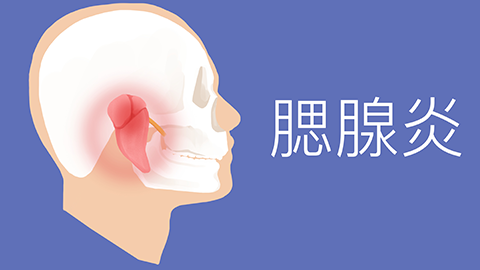
Viral mumps is caused by infection with the mumps virus. After entering the body, the virus replicates extensively in the respiratory tract and parotid gland tissue. Viral shedding begins via respiratory secretions even during the prodromal phase (before symptom onset), peaking early in the clinical illness. As the body’s immune system gradually mounts a response, viral activity progressively declines, leading to a sustained reduction in viral shedding—effectively ceasing by approximately day 10. Consequently, transmissibility disappears entirely by this time, which explains why the contagious period is relatively fixed.
During illness, patients should isolate at home and rest. Indoor spaces should be well-ventilated; frequent handwashing and regular clothing changes are essential to minimize droplet transmission risk. Adequate rest, ample intake of warm water, and a light, bland diet are advised. Acidic, sweet, or hard foods—which may stimulate salivary secretion and exacerbate parotid swelling and pain—should be avoided. During recovery, close monitoring of physical condition is necessary, and any new or worsening symptoms warrant timely medical evaluation.


