


Can prostatitis resolve on its own?

Generally speaking, whether prostatitis can resolve spontaneously depends on its severity. If symptoms arise, prompt medical consultation is recommended. A detailed analysis follows:
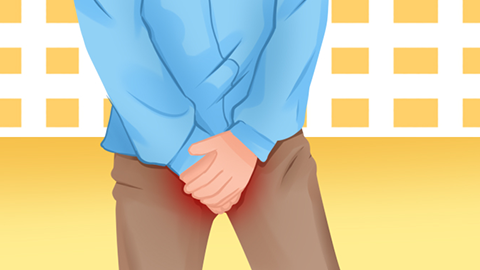
If only mild urinary frequency and slight perineal heaviness or discomfort are present—without fever, dysuria, or urinary difficulty—and these symptoms are primarily triggered by unhealthy lifestyle habits such as prolonged sitting, staying up late, consuming spicy foods, or irregular sleep patterns, then adjusting one’s lifestyle may gradually alleviate pelvic congestion and allow mild local prostate inflammation to subside spontaneously.
However, if pronounced symptoms develop—including frequent and urgent urination, painful or burning urination, persistent lower abdominal heaviness or discomfort, or systemic manifestations such as fever and fatigue—this indicates established infectious inflammation. Delaying treatment risks worsening glandular damage and may lead to complications; therefore, standardized medical intervention is essential to improve the condition.
Maintaining a healthy lifestyle supports prostate health and stability. Daily routines should include regular sleep-wake cycles, avoiding prolonged sitting and urinary retention, consuming a light diet low in spicy or irritating foods, and engaging consistently in moderate physical activities—such as brisk walking or squats—to enhance pelvic blood circulation. Additionally, maintaining emotional equilibrium, adhering to consistent rest schedules, and minimizing physical exhaustion can effectively reduce the frequency of prostate-related discomfort.


