


What Causes Myocarditis?

Generally, myocarditis is commonly caused by factors such as excessive physical exertion, chronic sleep deprivation leading to bodily exhaustion, viral influenza, bacterial endocarditis, and systemic lupus erythematosus (SLE). If any discomfort symptoms arise, it is advisable to seek timely medical evaluation and treatment at a reputable hospital. A detailed analysis follows:
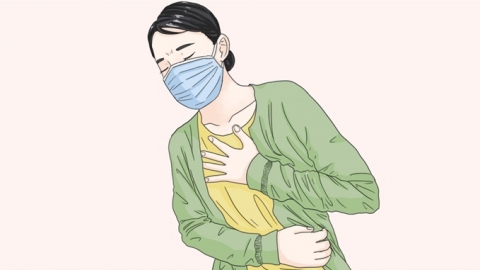
1. Excessive Physical Exertion
Prolonged high-intensity activity increases myocardial oxygen demand and places additional strain on the heart, potentially causing minor myocardial injury and triggering sterile inflammation. Ensuring adequate rest, minimizing strenuous exercise, balancing work and rest, and regularly relaxing both body and mind can help alleviate this condition.
2. Chronic Sleep Deprivation Leading to Bodily Exhaustion
Long-term sleep deprivation disrupts the body’s metabolic and immune rhythms, impairing myocardial repair and reducing overall resistance—thereby increasing susceptibility to myocardial inflammatory changes. Adjusting one’s sleep schedule promptly, maintaining consistent early-to-bed and early-to-rise habits, avoiding prolonged sleep deprivation, and adopting regular, holistic health maintenance practices are essential.
3. Viral Influenza
Viruses such as Coxsackievirus and influenza virus may invade the myocardium via the bloodstream after infecting the body, damaging cardiomyocytes and triggering inflammation. Antiviral medications—including ribavirin tablets, acyclovir tablets, and vitamin C tablets—may be prescribed per physician guidance. During illness, ample rest is crucial; physical activity should be avoided to prevent exacerbation of myocardial injury.
4. Bacterial Endocarditis
Bacterial infection of the cardiac endocardium initiates localized inflammation, which may progressively spread to involve myocardial tissue, resulting in myocarditis. Antibiotics—including amoxicillin capsules, cefuroxime axetil tablets, and levofloxacin tablets—may be administered per physician guidance. In severe cases, surgical debridement of infected endocardial lesions may be required.
5. Systemic Lupus Erythematosus (SLE)
Autoimmune dysregulation leads to production of aberrant autoantibodies that mistakenly attack healthy myocardial cells, inducing immune-mediated myocardial inflammation. Immunosuppressive therapy—including prednisone acetate tablets, mycophenolate mofetil capsules, and methotrexate tablets—may be prescribed per physician guidance. In critical cases complicated by severe heart failure, implantation of a ventricular assist device (VAD) may be necessary.
In daily life, maintaining regular sleep-wake cycles and avoiding chronic sleep deprivation, engaging in moderate exercise to enhance immunity, refraining from vigorous activity during cold or flu episodes, managing underlying medical conditions appropriately and consistently, and undergoing routine health check-ups—all contribute to reducing the risk of myocardial injury.


