


How to Completely Cure Reflux Esophagitis

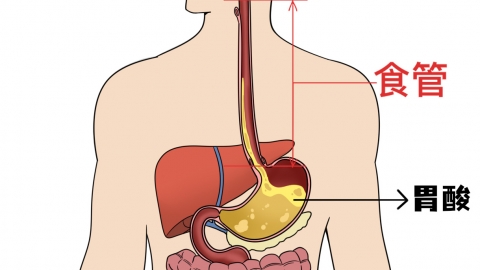
Generally, the primary approaches to achieving a complete cure for gastroesophageal reflux disease (GERD) include lifestyle modifications, physical interventions, pharmacological therapy, traditional Chinese medicine (TCM), and surgical treatment. A detailed analysis follows:
1. Lifestyle Modifications
Patients must adjust their daily dietary and sleep habits—avoiding spicy, greasy, overly sweet, or excessively hot foods; adopting smaller, more frequent meals; and refraining from overeating or binge eating. Lying down immediately after meals should be avoided to prevent gastric contents and acid from refluxing into the esophagus. Additionally, weight control helps reduce intra-abdominal pressure, thereby lowering the likelihood of acid reflux and creating favorable conditions for esophageal mucosal healing.
2. Physical Interventions
Physical interventions can assist in alleviating reflux symptoms. Common methods include elevating the head of the bed and performing gentle abdominal massage. Elevating the head of the bed leverages gravity to impede nocturnal acid reflux and subsequent esophageal injury. Gentle abdominal massage promotes gastrointestinal motility and accelerates gastric emptying, thereby reducing reflux caused by delayed gastric emptying or gastric stasis.
3. Pharmacological Therapy
Drug therapy is the cornerstone of curative treatment for GERD. Under medical guidance, patients may use medications such as omeprazole enteric-coated capsules, hydrotalcite chewable tablets, and mosapride tablets. These agents suppress gastric acid secretion, protect the esophageal and gastric mucosa, and enhance gastrointestinal motility—thereby addressing reflux at its root cause and facilitating mucosal repair.
4. Traditional Chinese Medicine (TCM)
According to TCM theory, GERD primarily results from rebellious stomach Qi and disharmony between the liver and stomach. Treatment commonly employs proprietary Chinese medicines that harmonize the stomach and descend rebellious Qi or soothe the liver and regulate Qi flow—for example, Xiangsha Yangwei Wan (Costusroot and Amomum Granules for Spleen and Stomach) and Chaihu Shugan Wan (Bupleurum Liver-Soothing Pills). Moxibustion and acupoint massage help regulate the spleen-stomach meridians, subdue rebellious stomach Qi, alleviate symptoms such as acid regurgitation and heartburn, and consolidate therapeutic outcomes.
5. Surgical Treatment
Surgery may be considered for patients with persistent, recurrent reflux unresponsive to long-term conservative management. Laparoscopic Nissen fundoplication is the most widely used clinical procedure. It reinforces lower esophageal sphincter function and tightens the gastroesophageal junction anatomy, effectively preventing recurrent reflux of gastric acid and food—and thus achieving definitive cure.
Furthermore, during treatment, patients must maintain healthy dietary habits and regular作息 (sleep-wake cycles) over the long term, while minimizing emotional stress and anxiety. Strict adherence to prescribed regimens—including lifestyle adjustments and medication—is essential. Regular follow-up endoscopies are recommended to monitor esophageal mucosal recovery. Should symptoms recur, prompt medical consultation is necessary to reassess and optimize the treatment plan—thereby preventing disease relapse altogether.


