


What Causes High Uric Acid Levels?

Generally, elevated uric acid levels may result from high-purine diets, insufficient water intake, hyperuricemia, gout, or renal insufficiency. If you experience any discomfort, it is advisable to seek timely medical evaluation and treatment at a reputable hospital. A detailed analysis follows:
1. High-Purine Diet
Long-term consumption of high-purine foods—such as organ meats, seafood, and rich broths—increases purine metabolism in the body, leading to excessive uric acid production. Adjusting dietary habits to adopt a low-purine diet—including increased intake of fresh fruits and vegetables while reducing high-purine food consumption—is recommended.
2. Inadequate Hydration
Insufficient daily fluid intake reduces urine output, impairing timely urinary excretion of uric acid and resulting in its accumulation in the bloodstream. Ensure adequate daily water intake and cultivate the habit of proactive hydration to facilitate uric acid metabolism and elimination.
3. Hyperuricemia
This condition arises from abnormal purine-metabolizing enzymes or dysregulated purine metabolism, causing uric acid production to exceed its excretion, thereby elevating serum uric acid levels. Under medical guidance, medications such as allopurinol tablets, febuxostat tablets, or benzbromarone tablets may be prescribed. Additionally, maintaining regular sleep-wake cycles and controlling dietary purine intake are essential.
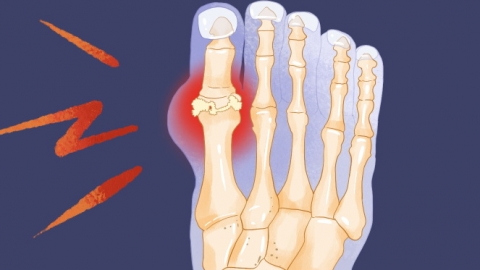
4. Gout
Deposition of monosodium urate crystals in joints and soft tissues disrupts normal metabolic circulation, further elevating serum uric acid levels and causing joint discomfort. As directed by a physician, medications including colchicine tablets, etoricoxib tablets, or probenecid tablets may be used. Patients should also avoid strenuous physical activity and alcohol consumption.
5. Renal Insufficiency
Reduced glomerular filtration and excretory function impairs uric acid clearance, leading to significant accumulation of uric acid in the blood. Under medical supervision, medications such as Jinshuibao capsules, Bailing capsules, or Niaoduxing granules may be prescribed. In severe cases, hemodialysis may be required; additionally, a low-salt, low-fat diet is recommended.
In daily life, adhere consistently to a low-purine diet, maintain adequate hydration, abstain from tobacco and alcohol, and follow a regular作息 schedule. Regular monitoring of serum uric acid levels is advised, and prompt intervention and management should be undertaken for any underlying comorbid conditions.


