


What Causes Purple-Black Lips?

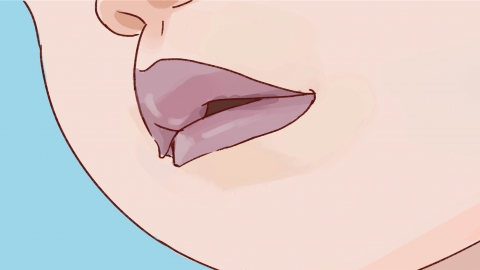
Generally, cyanotic or dark-purple discoloration of the lips may result from exposure to cold environments, chronic sleep deprivation and fatigue, chronic bronchitis, congenital heart disease, or pulmonary arterial hypertension. Patients should seek targeted lifestyle adjustments or medical treatment based on their individual circumstances. A detailed analysis follows:
1. Cold Environmental Exposure
When ambient temperatures are excessively low, cutaneous blood vessels constrict, slowing circulation in the lips and causing transient hypoxia—leading to cyanosis or darkening of the lip color. Prompt measures include wearing additional warm clothing, using a face mask to protect the lips, moving into a warmer environment, and gently massaging the lips to promote local blood flow.
2. Chronic Sleep Deprivation and Fatigue
Prolonged physical exhaustion and insufficient sleep slow down overall metabolism and reduce systemic circulatory efficiency, resulting in decreased oxygen saturation in peripheral capillary blood—including that supplying the lips. Establishing regular sleep-wake patterns, ensuring adequate rest, minimizing late-night activity, and engaging in light aerobic exercise (e.g., brisk walking or jogging) can help restore normal circulation.
3. Chronic Bronchitis
Chronic airway inflammation leads to airway narrowing and impaired pulmonary ventilation and gas exchange, causing persistent mild systemic hypoxia and subsequent lip discoloration. Under physician guidance, medications such as amoxicillin capsules, roxithromycin dispersible tablets, and ambroxol oral solution may be prescribed. Additionally, patients should avoid tobacco smoke, dust, and other respiratory irritants.
4. Congenital Heart Disease
Anatomical abnormalities in cardiac structure cause mixing of arterial and venous blood, reducing systemic oxygen saturation and manifesting peripherally as cyanotic or dark-purple lips. Pharmacotherapy—including digoxin tablets, spironolactone tablets, and captopril tablets—may be prescribed under medical supervision; severe cases often require surgical correction of the congenital cardiac defect.
5. Pulmonary Arterial Hypertension
Elevated pulmonary arterial pressure impedes pulmonary blood flow and compromises gas exchange, resulting in chronic systemic hypoxia and cyanotic lips. Treatment options—under strict medical supervision—include ambrisentan tablets, bosentan tablets, and sildenafil tablets. In advanced cases, lung transplantation may be necessary.
In daily life, maintaining appropriate body warmth, adhering to regular sleep and exercise routines, and seeking prompt medical evaluation for persistent lip cyanosis are essential steps to screen for underlying cardiopulmonary disorders and initiate timely intervention and management.


