


What bodily condition causes vertical ridges on the nails?

Generally, vertical ridges on the nails may result from age-related metabolic changes, hand dryness and overuse, nail dystrophy, iron-deficiency anemia, or onychomycosis. If associated discomfort or other symptoms occur, prompt consultation at a reputable hospital is recommended. A detailed analysis follows:
1. Age-Related Metabolic Changes
As individuals age, nail bed metabolism declines, leading to uneven keratin growth in the nail plate and resulting in fine, evenly spaced, light-colored vertical ridges. Maintaining regular sleep patterns, ensuring balanced dietary nutrition, and performing routine hand care are usually sufficient.
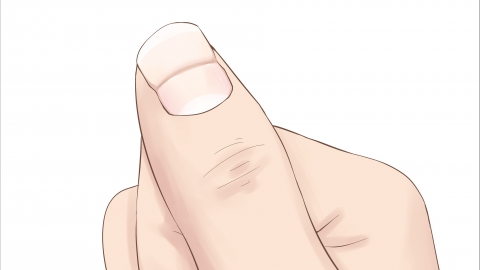
2. Hand Dryness and Overuse
Prolonged dehydration, frequent exposure to detergents or disinfectants, can cause excessive moisture loss from the nail keratin, making vertical ridges appear coarser and more prominent. Regular application of hand cream for moisturization, wearing gloves when handling irritants, and maintaining adequate daily fluid intake are advised.
3. Nail Dystrophy
Deficiencies in vitamins and trace elements impair nail bed nourishment, disrupting normal nail growth and development—manifesting as irregular vertical ridges and rough nail texture. Under medical guidance, supplementation with compound vitamin B tablets, vitamin A soft capsules, or calcium carbonate and vitamin D3 tablets may be appropriate. Daily dietary intake should include eggs, dairy products, fruits, vegetables, and nuts.
4. Iron-Deficiency Anemia
Insufficient iron levels compromise systemic oxygen delivery, depriving nails of adequate nourishment—causing vertical ridges to deepen and multiply, often accompanied by pallor of the nail plate. Under physician supervision, oral iron supplements such as ferrous succinate tablets, ferrous sulfate tablets, or multivitamin iron oral solution may be prescribed. Dietary sources rich in heme iron—including animal liver and red meat—should be increased.
5. Onychomycosis
Fungal infection of the nail plate and nail bed disrupts keratin structure, leading to disorganized vertical ridges, nail thickening, yellow discoloration, layering, and brittleness. Topical antifungal agents—including amorolfine hydrochloride nail lacquer, ciclopirox cream, or miconazole nitrate cream—may be prescribed per medical advice. In refractory cases, nail bed reconstruction surgery may be required.
In daily life, proper hand moisturization and protection are essential to prevent chronic hand strain; balanced nutrition—including correction of selective or restrictive eating habits—is critical; and any abnormal nail changes warrant timely medical evaluation to rule out fungal infection.


