


What Causes Avascular Necrosis of the Left Femoral Head?

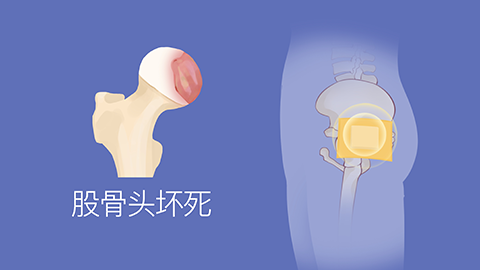
Generally, left femoral head necrosis may result from prolonged weight-bearing strain, chronic alcohol abuse, hyperlipidemia, hip synovitis, or hip osteoarthritis. If symptoms arise, prompt consultation and treatment at a reputable hospital are recommended. A detailed analysis follows:
1. Prolonged Weight-Bearing Strain
Long-term unilateral weight-bearing labor or exercise continuously compresses the left femoral head, impairing local blood circulation and leading to insufficient bone perfusion. Reducing unilateral weight-bearing activities, balancing work and rest, avoiding prolonged standing or walking, and allowing appropriate rest for the hip joint are advised.
2. Chronic Alcohol Abuse
Excessive alcohol intake damages microvessels systemically, disrupting blood flow to the femoral head and causing ischemic injury and progressive necrosis of bone cells. Complete abstinence from alcohol is essential; increased intake of warm water and a light, balanced diet help support vascular health and circulation.
3. Hyperlipidemia
Abnormal lipid metabolism leads to lipid deposition in blood vessels, occluding the microvasculature supplying the femoral head and resulting in ischemic bone necrosis. Under medical guidance, medications such as atorvastatin calcium tablets, rosuvastatin calcium tablets, or simvastatin tablets may be prescribed. Additionally, a low-fat diet and regular moderate physical activity are recommended.
4. Hip Synovitis
Inflammation of the hip synovium causes effusion, which compresses surrounding blood vessels and compromises femoral head perfusion. Chronic inflammatory stimulation may ultimately trigger bone cell necrosis. Under physician supervision, nonsteroidal anti-inflammatory drugs (NSAIDs) such as celecoxib capsules, diclofenac sodium sustained-release tablets, or etoricoxib tablets may be used. In cases of severe effusion, hip joint aspiration and drainage may be performed.
5. Hip Osteoarthritis
Progressive degeneration and wear of hip articular cartilage, along with structural joint damage, gradually disrupt normal blood supply and metabolic function of the femoral head, potentially progressing to femoral head necrosis. Under medical guidance, medications such as glucosamine hydrochloride capsules, chondroitin sulfate tablets, or meloxicam tablets may be prescribed. In advanced disease stages, total hip arthroplasty (femoral head replacement) may be required.
In daily life, avoid chronic alcohol consumption, maintain a healthy body weight to reduce joint loading, follow a light, low-fat diet to regulate lipid levels, avoid high-intensity unilateral limb activities, and undergo periodic hip imaging examinations.


