


What Causes Eczema?

Generally, eczema may be caused by dry skin, external irritants, allergic dermatitis, seborrheic dermatitis, or chronic urticaria. If uncomfortable symptoms arise, it is advisable to seek timely medical evaluation and treatment at a reputable hospital. A detailed analysis follows:
1. Dry Skin
Dehydration of the stratum corneum compromises the skin’s barrier function, allowing external substances to more easily penetrate the epidermis and trigger pruritus and eczematous lesions. Daily application of moisturizing lotion helps restore and maintain the skin barrier; avoid excessive cleansing and ensure adequate skin hydration.
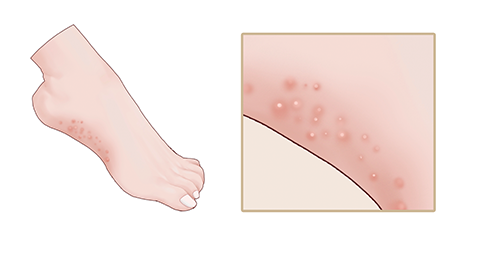
2. External Irritants
Prolonged exposure to house dust mites, pollen, or humid, hot environments can continuously irritate the skin surface, leading to pruritus and eczematous lesions. Maintain a dry, well-ventilated living environment; regularly clean bedding and take appropriate skin protection measures when outdoors.
3. Allergic Dermatitis
Upon exposure to allergens, the body mounts an abnormal inflammatory response in the skin, manifesting as erythema and papules that may progressively evolve into eczema. Under medical guidance, antihistamines such as cetirizine hydrochloride tablets, fexofenadine hydrochloride tablets, or loratadine capsules may be prescribed; additionally, avoid known allergens in daily life.
4. Seborrheic Dermatitis
Dysregulated sebaceous gland secretion leads to excess oil accumulation, promoting microbial overgrowth and subsequent cutaneous inflammation; recurrent episodes may secondarily result in eczematous lesions. Under physician supervision, vitamin B6 tablets, itraconazole capsules, and chlorpheniramine tablets may be used; maintaining clean, oil-controlled skin is also essential.
5. Chronic Urticaria
Immune dysregulation and abnormal vascular permeability in the skin lead to persistent, low-grade inflammatory stimulation, causing chronic skin damage and refractory eczema. Antihistamines such as ebastine tablets, desloratadine tablets, or cyproheptadine tablets may be prescribed per medical advice; for stubborn lesions, ultraviolet (UV) phototherapy may be considered.
In daily life, prioritize consistent skin moisturization, avoid contact with irritants, follow a mild diet to minimize intake of potential allergenic foods, maintain regular sleep patterns to stabilize immune function, and promptly address any skin discomfort.


