


What Causes Swelling of the Feet?

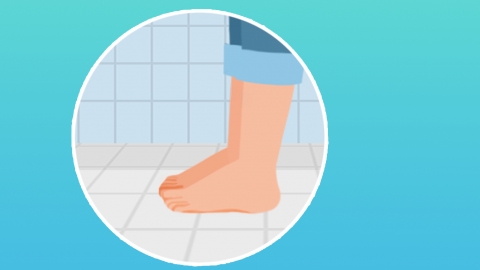
Generally, foot swelling may result from prolonged standing or sitting, excessive water intake, varicose veins in the lower limbs, hypoalbuminemia, or deep vein thrombosis (DVT) in the lower limbs. If associated discomfort occurs, prompt evaluation and treatment at a reputable hospital are recommended. A detailed analysis follows:
1. Prolonged Standing or Sitting
Maintaining a fixed posture for extended periods impedes venous return from the lower limbs, causing blood to pool in the interstitial spaces of the feet—resulting in physiological edema. Regularly moving the lower limbs and elevating the feet can facilitate venous return; avoid maintaining the same posture for long durations.
2. Excessive Water Intake
Consuming large volumes of water within a short time may overwhelm the body’s metabolic capacity, leading to accumulation of excess fluid in the lower limbs and mild foot swelling. Limit single-occasion water intake, reduce fluid consumption before bedtime, and engage in moderate physical activity to enhance fluid metabolism.
3. Varicose Veins in the Lower Limbs
Dysfunction of venous valves impairs venous return, causing blood stasis in the lower limbs and persistent soft-tissue compression, thereby inducing foot swelling. Medications such as Diosmin tablets, Aescin tablets, and Calcium Dobesilate capsules may be prescribed per physician guidance. Daily use of medical-grade compression stockings and avoidance of prolonged standing or heavy lifting are also advised.
4. Hypoalbuminemia
Low plasma protein levels reduce plasma oncotic pressure, allowing fluid to shift into the interstitial spaces of the feet—causing persistent foot swelling. Under medical supervision, supplementation with whey protein oral solution, compound amino acid capsules, and vitamin C tablets may be considered. Additionally, incorporate high-quality dietary protein sources into daily meals.
5. Deep Vein Thrombosis (DVT) in the Lower Limbs
Thrombus formation obstructs venous flow in the lower limb veins, severely impairing venous return and triggering sudden, unilateral foot swelling. Anticoagulants—including Rivaroxaban tablets, Apixaban tablets, and Warfarin sodium tablets—may be prescribed per physician instruction. In severe cases, surgical thrombectomy may be required.
In daily life, maintain regular, moderate physical activity; ensure balanced nutrition; avoid prolonged sitting or standing; and seek timely medical evaluation for recurrent foot swelling to rule out vascular or metabolic disorders—enabling early intervention and management.


