


What Causes Low Platelet Count?

Generally, thrombocytopenia (low platelet count) may result from factors such as excessive fatigue, physiological changes during pregnancy, viral influenza, iron-deficiency anemia, or immune thrombocytopenia. If associated symptoms occur, prompt consultation and treatment at a reputable hospital are recommended. A detailed analysis follows:
1. Excessive Fatigue
Prolonged physical and mental exhaustion can impair hematopoietic metabolism, leading to a transient decrease in platelet count. Adequate rest, sufficient sleep, balanced work–rest schedules, and regular daily routines are essential for restoring normal bodily function.
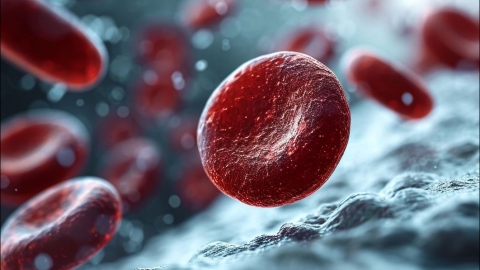
2. Physiological Changes During Pregnancy
Increased blood volume during pregnancy causes hemodilution, resulting in mild, physiological thrombocytopenia. Regular prenatal examinations—including complete blood counts—are advised; nutritional supplementation should be appropriate, and excessive physical exertion should be avoided.
3. Viral Influenza
Viral invasion temporarily suppresses bone marrow hematopoiesis and destroys some platelets, causing a decline in platelet count. Treatment may include Lianhua Qingwen Capsules, antiviral oral liquid, or Pudilan Anti-inflammatory Oral Liquid, per physician guidance. Increased intake of warm water and adequate rest are also recommended.
4. Iron-Deficiency Anemia
Inadequate iron stores impair bone marrow’s capacity to produce platelets due to insufficient raw materials for hematopoiesis, often accompanied by low hemoglobin levels. Treatment options—under medical supervision—include Ferrous Succinate Tablets, Ferrous Sulfate Tablets, or Ferrous Fumarate Granules; dietary intake of iron-rich foods should also be increased.
5. Immune Thrombocytopenia
This condition arises from immune dysregulation, wherein autoantibodies target and destroy the body’s own platelets, leading to persistent thrombocytopenia. Pharmacotherapy—per physician guidance—may include Prednisone Acetate Tablets, Dexamethasone Tablets, or Eltrombopag Ethanolamine Tablets. In severe cases, splenectomy may be considered.
In daily life, maintain regular sleep–wake cycles and avoid chronic sleep deprivation or overexertion; follow a balanced diet to ensure comprehensive nutritional intake; engage in moderate physical exercise to enhance immune function; and undergo routine complete blood count testing to detect hematological abnormalities early.


