


What Causes Bleeding While Brushing Teeth in the Morning?

Generally, morning toothbrush-induced bleeding may result from excessive brushing force, staying up late (leading to “internal heat”), gingivitis, periodontitis, or dental calculus accumulation. If associated discomfort occurs, prompt consultation and treatment at a reputable hospital are recommended. A detailed analysis follows:
1. Excessive Brushing Force
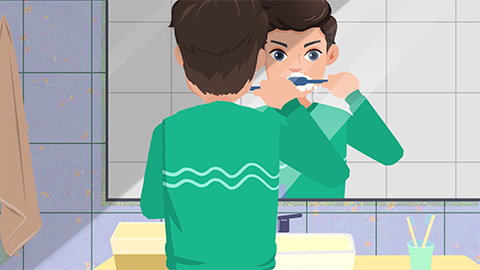
Applying excessive pressure while brushing or using a toothbrush with overly stiff bristles can damage the delicate gingival mucosa, causing mucosal injury and bleeding. Switch to a soft-bristled toothbrush, adopt gentle brushing techniques, and follow proper brushing methods to minimize gingival trauma.
2. Staying Up Late (“Internal Heat”)
Prolonged sleep deprivation leads to accumulation of internal heat, resulting in gingival capillary congestion and dilation, as well as increased vascular fragility—making bleeding more likely during brushing. Maintain regular sleep-wake cycles, ensure adequate rest, consume a light diet, and drink ample warm water.
3. Gingivitis
Accumulated dental plaque irritates the gums, triggering an inflammatory response characterized by redness, swelling, and congestion; even minor mechanical stimulation (e.g., brushing) may provoke bleeding. Under medical guidance, medications such as amoxicillin capsules, artificial bezoar and metronidazole capsules, or cholestanol tablets may be prescribed. Consistently brush teeth twice daily and rinse after meals.
4. Periodontitis
Untreated gingivitis may progress to periodontitis, wherein inflammation spreads to deeper periodontal tissues, compromising the periodontal attachment apparatus. Clinical manifestations include recurrent gingival bleeding and tooth mobility. Under medical supervision, medications such as roxithromycin dispersible tablets, ornidazole tablets, or cetylpyridinium iodide lozenges may be used, along with regular removal of dental plaque.
5. Dental Calculus Accumulation
Dental calculus forms when oral debris undergoes mineralization; its persistent friction and pressure on the gums repeatedly trigger gingival bleeding. Medication alone cannot resolve this condition—ultrasonic scaling is required to remove calculus. Post-procedure, maintain optimal oral hygiene and schedule routine professional cleanings.
In daily life, adopt correct brushing habits and use gentle, gum-friendly oral care tools; maintain regular作息 (sleep-wake patterns) and a balanced diet; and undergo periodic dental examinations and professional cleanings to prevent and manage oral inflammatory conditions promptly.


