


What Causes Gum Swelling and Bumps?

Generally, gingival swelling or bulging may result from factors such as excessive internal heat due to diet, inadequate oral hygiene, gingivitis, periodontitis, or periapical inflammation. If discomfort occurs, it is advisable to seek timely evaluation and treatment at a reputable hospital. A detailed analysis follows:
1. Diet-Induced Internal Heat
Long-term, excessive consumption of spicy and heat-inducing foods can irritate the oral and gingival mucosa, leading to mucosal hyperemia and slight swelling or bulging. Adopt a light diet, drink ample warm water, consume fresh fruits and vegetables, and temporarily avoid spicy and heat-inducing foods.
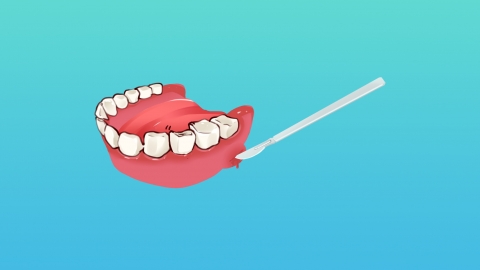
2. Inadequate Oral Hygiene
Incomplete toothbrushing and prolonged neglect of interdental cleaning allow food debris to accumulate, irritating the gums and causing mild inflammation and swelling. Brush teeth thoroughly twice daily (morning and evening), rinse mouth after meals, clean interdental spaces regularly, and maintain overall oral cleanliness.
3. Gingivitis
Prolonged irritation from dental plaque and calculus triggers inflammatory hyperemia of the gingiva, manifesting as redness, swelling, bulging, and bleeding upon brushing. Under medical guidance, medications such as artificial bezoar and metronidazole capsules, amoxicillin capsules, or compound chlorhexidine mouthwash may be used; professional scaling to remove calculus should also be performed regularly.
4. Periodontitis
Untreated gingivitis may progress, allowing inflammation to invade deeper periodontal tissues and destroy the periodontal attachment apparatus, resulting in periodontal abscesses and recurrent gingival swelling or bulging. As prescribed by a physician, medications such as ornidazole tablets, cefdinir dispersible tablets, or Kangfuxin liquid may be administered; regular deep periodontal cleaning is also recommended.
5. Periapical Periodontitis
Inflammatory lesions at the root apex prevent drainage of inflammatory exudate, which then penetrates upward through the gingiva, forming a fistulous tract and associated swelling. Under medical guidance, roxithromycin dispersible tablets, metronidazole tablets, or cydiodine tablets may be used; severe cases require root canal therapy.
In daily life, maintain good oral hygiene habits, adjust dietary patterns appropriately, minimize intake of irritating foods, and promptly consult a healthcare provider for any abnormal gingival swelling to prevent progressive worsening of inflammation.


