What Causes Varicose Veins?
Jul 11, 2026
Source: Cainiu Health

Dr. Li Feng
Introduction
In general, varicose veins may result from prolonged standing or sitting, overweight or obesity, incompetent venous valves in the lower limbs, phlebitis of the lower extremity veins, or sequelae of deep vein thrombosis. If uncomfortable symptoms arise, it is advisable to seek timely evaluation and treatment at a reputable hospital. In daily life, avoid maintaining the same posture for extended periods, maintain a healthy weight, engage in regular lower-limb exercises, and promote venous circulation.
Generally, varicose veins may result from prolonged standing or sitting, overweight or obesity, incompetent lower-limb venous valves, lower-limb phlebitis, or post-thrombotic syndrome following deep vein thrombosis. If uncomfortable symptoms develop, prompt evaluation and treatment at a reputable hospital are recommended. A detailed analysis follows:
1. Prolonged Standing or Sitting
Maintaining a fixed posture for extended periods slows venous return in the lower limbs, leading to persistent venous stasis and increased intravascular pressure—causing progressive venous dilation. To mitigate this, regularly mobilize the limbs; stand up and stretch every hour, and elevate the legs to facilitate venous return.
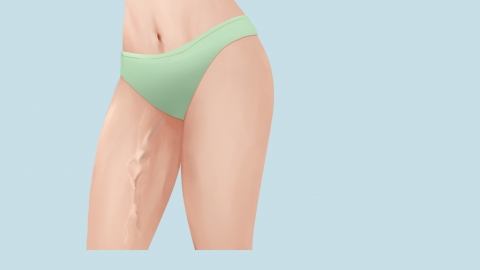
2. Overweight or Obesity
Excess body weight chronically increases venous pressure in the lower limbs, exacerbating the burden on venous return and gradually inducing venous tortuosity and dilation. Adopting a balanced diet and engaging in regular, moderate physical activity helps achieve healthy weight loss and reduces mechanical stress on lower-limb vasculature.
3. Incompetent Lower-Limb Venous Valves
Valvular insufficiency—due to structural defects impairing valve closure—fails to prevent retrograde blood flow, resulting in venous stasis and progressive vessel dilation. Medications such as Diosmin tablets, Aescin tablets, and Calcium Dobesilate capsules may be prescribed per physician guidance. Additionally, daily use of medical-grade compression stockings supports venous return.
4. Lower-Limb Phlebitis
Inflammatory damage to venous walls reduces vascular elasticity and causes wall thickening, impeding venous return and predisposing to varicosity. Pharmacotherapy—including Rivaroxaban tablets, Enteric-Coated Aspirin tablets, and Dipyridamole tablets—may be administered per medical advice. Avoid prolonged pressure on the lower limbs and perform regular calf muscle exercises.
5. Post-Thrombotic Syndrome Following Deep Vein Thrombosis
Deep vein thrombosis disrupts normal venous architecture, obstructing deep venous outflow and prompting compensatory dilation and tortuosity of superficial veins. Mild cases may be managed conservatively with medication; severe cases often require surgical interventions such as high ligation and stripping of the great saphenous vein or endovenous laser ablation.
In daily life, avoid prolonged immobility in one position, maintain a healthy weight, engage in regular lower-limb exercise, and promote overall circulatory health. Early medical assessment and intervention are advised upon noticing visible bulging veins, heaviness, or aching in the legs—to prevent disease progression.