


What Causes Calf Cramps and How to Relieve Them

Generally, calf cramps may result from factors such as excessive physical exertion, cold exposure to the legs, hypocalcemia, varicose veins of the lower extremities, or peripheral neuritis. Patients may choose appropriate interventions—including general measures, pharmacotherapy, or surgical treatment—based on their specific circumstances. A detailed analysis follows:
1. Excessive Physical Exertion
Prolonged walking or exercise places the calf muscles under sustained tension, leading to accumulation of lactic acid and abnormally increased muscle excitability, thereby triggering muscle spasms and cramps. Immediate rest, gentle stretching of the calf muscles, and massage to relax the leg musculature are recommended.
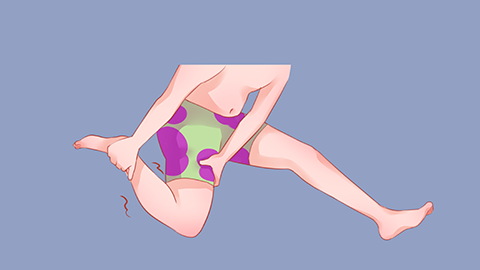
2. Cold Exposure to the Legs
Inadequate leg warmth exposes calf muscles and blood vessels to low temperatures, causing abnormal contraction of smooth muscle in the muscles and triggering cramps. Promptly add warm clothing, apply a warm towel for heat therapy to the calves, ensure proper leg insulation, and avoid cold, damp environments.
3. Hypocalcemia
Insufficient serum calcium ion levels disrupt neuromuscular transmission, increasing muscle irritability and resulting in recurrent calf cramps. Under medical supervision, patients may take calcium carbonate D3 tablets, calcium lactate tablets, or vitamin D soft capsules; additionally, dietary intake of high-calcium foods and moderate sun exposure are advised.
4. Varicose Veins of the Lower Extremities
Impaired venous return in the lower limbs leads to blood stasis, reduced oxygen and nutrient supply to the muscles, and accumulation of metabolic waste products—ultimately provoking muscle spasms. Medications such as aescin tablets (Maizhilin), diosmin tablets (Diao’ao Siming), or calcium dobesilate capsules may be prescribed per physician guidance; in severe cases, high ligation of the great saphenous vein may be indicated.
5. Peripheral Neuritis
Inflammatory damage to peripheral nerves disrupts normal nerve signal conduction, generating aberrant neural impulses that stimulate the calf muscles and cause recurrent cramping. Per medical advice, patients may take mecobalamin dispersible tablets, vitamin B1 tablets, or glutethimide tablets; for refractory cases, neurolysis surgery may be considered.
In daily life, maintain appropriate exercise intensity, avoid excessive weight-bearing on the legs, ensure adequate limb warmth, and supplement nutrition appropriately. If calf cramps occur frequently, promptly evaluate relevant physiological parameters and assess vascular and neurological status; early intervention and management can help reduce symptom frequency and severity.


