


What primarily causes gout?

Under normal circumstances, gout may be triggered by factors such as a high-purine diet, chronic insufficient water intake, hyperuricemia, impaired renal function, and metabolic syndrome. If symptoms arise, it is advisable to seek timely medical evaluation and treatment at a reputable hospital. A detailed analysis follows:
1. High-Purine Diet
Long-term excessive consumption of high-purine foods—such as organ meats and seafood—increases purine metabolism in the body, leading to transient elevations in serum uric acid levels and subsequent joint discomfort. Daily dietary adjustments should emphasize a low-purine diet and reduced intake of high-purine foods.
2. Chronic Inadequate Hydration
Insufficient daily fluid intake reduces urine output, impairing timely urinary excretion of uric acid and resulting in progressive accumulation and elevation of serum uric acid levels. Maintaining adequate daily hydration promotes uric acid metabolism and elimination; cultivating the habit of proactive water intake is essential.
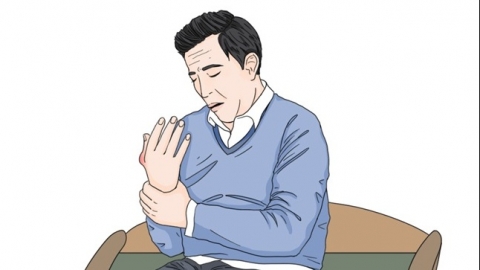
3. Hyperuricemia
Disordered purine metabolism leads to either overproduction or underexcretion of uric acid, causing persistently elevated serum uric acid levels. This results in deposition of monosodium urate crystals in joints, triggering gout attacks. Medications such as febuxostat tablets, allopurinol tablets, or benzbromarone tablets may be prescribed per physician guidance, with regular monitoring of serum uric acid levels.
4. Declining Renal Function
Reduced glomerular filtration and impaired urinary excretion hinder uric acid clearance, leading to chronic systemic uric acid accumulation and recurrent gouty inflammation. Under medical supervision, medications including Jinshuibao capsules, Uduqing granules, or Bailing capsules may be used. Additionally, a low-salt, low-fat diet helps alleviate the metabolic burden on the kidneys.
5. Metabolic Syndrome
Abnormal glucose and lipid metabolism—often coexisting with uric acid dysregulation—promotes persistent deposition of urate crystals in joints, resulting in recurrent gout attacks and associated joint swelling and pain. Pharmacotherapy—including atorvastatin calcium tablets, metformin hydrochloride tablets, and orlistat capsules—may be prescribed per physician instruction. In cases of severe gout-related joint damage, surgical joint debridement may be considered.
In daily life, adherence to a light, low-purine diet and consistent adequate hydration is crucial. Alcohol consumption should be avoided entirely. Maintaining a healthy weight, engaging in regular physical activity to improve overall metabolism, and undergoing routine health check-ups—including serum uric acid and renal function assessments—can significantly reduce the risk of gout onset.


