


What Causes Unformed Stool?

Generally, unformed stools may result from excessive consumption of cold or raw foods, abdominal exposure to cold, functional dyspepsia, chronic enteritis, or irritable bowel syndrome (IBS). If associated discomfort occurs, prompt consultation at a reputable hospital is recommended for proper diagnosis and treatment. A detailed analysis follows:
1. Excessive intake of cold or raw foods
Frequent consumption of cold or raw foods can irritate the intestinal mucosa and accelerate intestinal motility, causing food to pass through the digestive tract before complete digestion and absorption—resulting in soft, unformed stools. To prevent this, reduce intake of cold or raw foods, maintain a warm and light diet, and eat meals regularly.
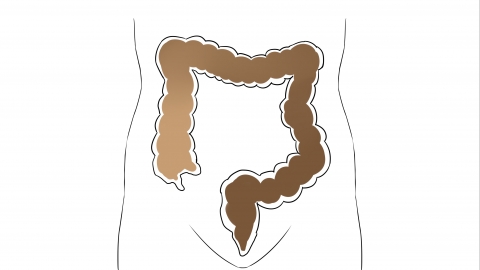
2. Abdominal exposure to cold
Inadequate abdominal warmth allows cold pathogens to invade the intestines, disrupting normal intestinal motility and impairing water absorption—leading to loose, soft stools. Dress warmly, apply warm compresses to the abdomen, drink warm water regularly, and avoid direct exposure of the abdomen to cold drafts.
3. Functional dyspepsia
Abnormal gastrointestinal motility and impaired digestive enzyme secretion lead to incomplete digestion of food; consequently, intestinal contents retain excess water, resulting in unformed stools. Under medical guidance, medications such as Weiling Xiaoshi Pian (digestive aid tablets), domperidone tablets, or lactase tablets may be used. Maintain regular, moderate meals and avoid overeating or irregular eating patterns.
4. Chronic enteritis
Prolonged intestinal inflammation damages mucosal absorptive function and causes persistent fluid exudation, often accompanied by gut microbiota imbalance—leading to chronic loose stools. Under physician supervision, antibiotics such as norfloxacin capsules, Changyan Ning tablets (anti-enteritis herbal preparation), or triple-strain Bifidobacterium capsules may be prescribed. Avoid spicy and greasy foods.
5. Irritable bowel syndrome (IBS)
Dysregulation of intestinal neural control leads to disordered motility triggered by dietary or emotional stimuli, manifesting as recurrent unformed stools alternating with diarrhea. As directed by a physician, medications such as pinaverium bromide tablets, smectite powder, or Bacillus licheniformis probiotic capsules may be administered. In cases of severe intestinal dysmotility, intestinal neuromodulation therapy may be considered.
In daily life, ensure adequate abdominal warmth, adopt healthy eating habits, and minimize intake of gastrointestinal irritants. Maintain emotional stability and engage in regular, moderate physical activity to support gastrointestinal health. Persistent abnormal stool patterns warrant timely medical evaluation and intervention to prevent progressive impairment of intestinal function.


