


Will consuming pigeon soup in summer cause “internal heat” (a traditional Chinese medicine concept)?

Drinking pigeon soup in moderation during summer—prepared lightly and without excessive seasoning—does not typically cause “internal heat” (a traditional Chinese medicine concept referring to symptoms like dry mouth, sore throat, or acne). However, consuming large quantities, combining it with warming and tonifying ingredients, or having a constitution characterized by yin deficiency and internal heat may predispose individuals to such heat-related symptoms. If persistent symptoms such as dry mouth, sore throat, or acne occur, prompt medical consultation is advised.
Pigeon meat itself is considered neutral in nature—not warming, hot, or overly stimulating—and its primary therapeutic actions include invigorating qi, nourishing blood, enriching yin, and reinforcing deficiency. During summer, excessive sweating can deplete both qi and yin; thus, consuming small amounts of clear-braised pigeon soup helps replenish lost qi and blood, alleviating summer-related fatigue, lethargy, and general weakness. When prepared simply with plain water—without warming tonics such as ginseng, longan fruit, or red dates—the soup remains mild and balanced, posing minimal risk of inducing internal heat for most people. Adding cooling ingredients—such as winter melon, lotus root, or mung beans—further counteracts summer heat and reduces the likelihood of heat-related reactions, making the soup especially suitable for the season.
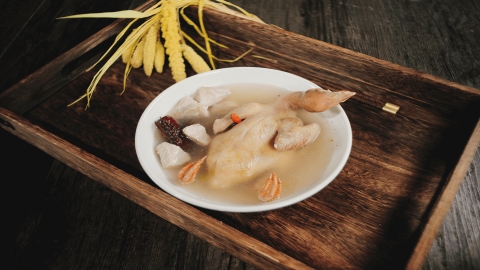
Individual constitutional differences are the key determinant of whether pigeon soup may trigger internal heat. Those with yin deficiency and hyperactive fire often experience symptoms such as warm palms and dry, itchy throats; in summer’s hot environment, prolonged, heavy consumption of rich, concentrated pigeon soup may exacerbate internal heat. Adding warming, tonifying herbs—such as astragalus, angelica root (dang gui), or longan fruit—significantly enhances the soup’s warming and nourishing properties; continuous intake may lead to oral ulcers, acne, or constipation—classic signs of internal heat. Moreover, cooking methods involving excessive oil or spicy seasonings may further burden the spleen and stomach with accumulated heat, triggering various heat-related discomforts; such individuals should limit their intake frequency.
For routine consumption, pigeon soup should ideally be prepared using a clear-braising method, minimizing the addition of warming herbs and instead incorporating heat-clearing vegetables to balance the soup’s properties. Limit intake to a few servings per week, drink ample warm water, and complement meals with fresh fruits and melons to maintain internal thermal equilibrium and reduce heat-related discomfort.


