


Does blood pressure differ between winter and summer?

Human blood pressure exhibits marked physiological fluctuations between winter and summer, generally following a pattern of higher levels in winter and lower levels in summer. This is a normal physiological response resulting from the body’s vascular adaptation to ambient temperature changes; such seasonal variations are even more pronounced among individuals with hypertension. If significant seasonal fluctuations in blood pressure occur alongside physical discomfort, prompt medical evaluation and treatment are essential.
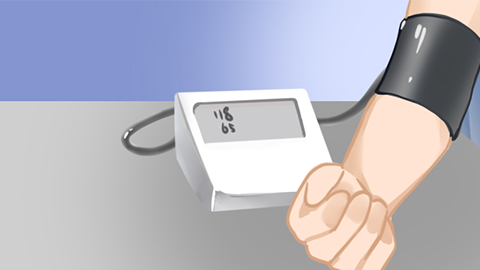
During winter, ambient temperatures are consistently low. To counteract external cold stress, the body activates intrinsic protective regulatory mechanisms. Superficial blood vessels throughout the body constrict autonomously to minimize heat loss from the skin surface. This vasoconstriction increases peripheral vascular resistance, directly causing a notable rise in blood pressure.
Additionally, physical activity typically decreases in winter, leading to slower circulation and reduced metabolic rate. Moreover, winter diets often emphasize rich, nourishing foods—resulting in relatively higher salt intake—which further exacerbates blood pressure elevation and significantly increases the risk of blood pressure instability.
In daily life, adjust routines and dietary habits promptly according to seasonal changes: prioritize warmth in winter to prevent cold-induced vasoconstriction, and ensure adequate hydration in summer. Monitor blood pressure at the same time each day, maintain a light, low-salt diet, and consistently support cardiovascular health.


