


What Should You Do If You Sweat After Receiving Botox Injections in Summer?

After receiving wrinkle-reducing injections during summer, sweating can be managed by promptly and gently blotting away sweat, keeping the injection site dry and well-ventilated, temporarily avoiding physical activity to cool down, performing gentle local soothing care, and closely monitoring skin condition. Adhering to proper post-procedure protocols helps minimize the risk of adverse reactions. If persistent redness, swelling, discharge, or abnormal skin protrusions occur after treatment, prompt medical evaluation and treatment are essential.
1. Promptly and gently blot away sweat: After facial sweating, avoid rubbing or massaging the injection site vigorously. Instead, use clean, soft, sterile cotton swabs or a facial towel to gently absorb sweat. Keeping the area dry prevents prolonged sweat contact with the injection site—which could cause irritation—and reduces the risk of bacterial proliferation.
2. Keep the injection site dry and well-ventilated: Avoid applying heavy skincare products or makeup over the treated area for a short period following the procedure to ensure adequate air circulation. A sealed, humid environment may impede needle puncture site healing and increase the likelihood of erythema or pruritus; maintaining an open, breathable environment supports optimal wound recovery.
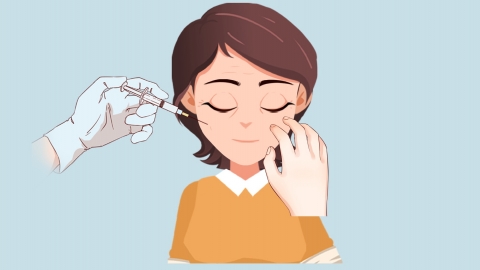
3. Temporarily avoid physical activity to promote cooling: Immediately cease exercise and other strenuous activities after sweating, and move to a cool, well-ventilated area to rest quietly. Reducing ongoing heat generation helps prevent repeated, excessive sweating that may continuously soak the injection sites—thereby minimizing additional stress on the local skin.
4. Perform gentle local soothing care: No topical ointments are required before the puncture sites fully heal—simply maintain cleanliness of the skin. Do not apply cold or warm compresses independently, as temperature extremes may interfere with diffusion and stabilization of the injectable agent, potentially resulting in uneven wrinkle reduction outcomes.
5. Closely monitor skin condition: Continuously observe changes at the injection site, noting any signs of erythema, swelling, or pruritus. Mild discomfort typically resolves spontaneously; however, persistent or worsening symptoms warrant timely clinical intervention to prevent post-procedural complications.
For several days post-treatment, prioritize rest and avoid hot, humid environments and prolonged sun exposure. Maintain a light, bland diet—avoiding spicy or irritating foods—and adhere to regular sleep-wake cycles to stabilize overall physiological status, thereby supporting rapid puncture site healing and consistent therapeutic efficacy.


