


What Are the Common Digestive System Disorders?

Common digestive system disorders encountered in daily life primarily include chronic gastritis, peptic ulcer disease, functional dyspepsia, intestinal dysbiosis, and chronic enteritis. These conditions have high incidence rates and tend to recur frequently, often linked to dietary habits and lifestyle routines. If digestive discomfort recurs persistently and fails to improve despite long-term self-care, prompt medical evaluation and comprehensive diagnostic testing at a hospital are strongly recommended.
1. Chronic Gastritis: This is the most prevalent digestive disorder clinically observed, commonly triggered by irregular eating patterns and prolonged consumption of irritating foods. Patients exhibit chronic inflammatory damage to the gastric mucosa, typically presenting with symptoms such as dull epigastric pain, acid reflux, and abdominal distension. The condition tends to be protracted and recurrent, impairing normal digestive function.
2. Peptic Ulcer Disease: This condition predominantly affects the stomach and duodenum, where mucosal erosion or ulceration occurs. It is frequently associated with Helicobacter pylori infection and excessive psychological stress. Classic symptoms include postprandial abdominal pain or fasting epigastric pain; severe cases may lead to gastrointestinal bleeding.
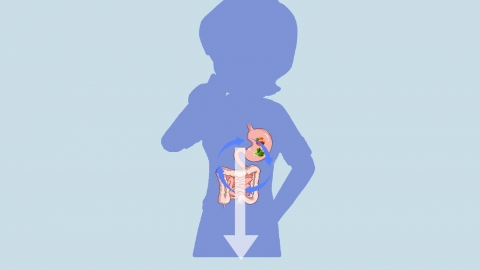
3. Functional Dyspepsia: Patients show no structural abnormalities in the gastrointestinal tract, yet experience persistent impairment of digestive function. Symptoms such as early satiety, belching, and reduced appetite commonly occur after meals and are often precipitated by disrupted sleep-wake cycles, emotional fluctuations, or inappropriate dietary choices.
4. Intestinal Dysbiosis: An imbalance between beneficial and harmful gut microbiota directly compromises intestinal metabolism. It commonly manifests as alternating diarrhea and constipation, along with abdominal bloating and flatulence. Prolonged dysbiosis weakens intestinal immunity and impairs nutrient absorption.
5. Chronic Enteritis: Characterized by chronic inflammatory stimulation of the intestinal mucosa, this condition is often caused by ingestion of contaminated or excessively cold food. Patients frequently suffer from recurrent abdominal pain and loose or unformed stools; symptoms markedly worsen following exposure to cold or dietary indiscretion.
Adopting a light, regular diet on a daily basis—while avoiding late-night activities, binge eating, and overeating—and maintaining emotional stability are essential preventive measures. Cultivating sound food hygiene practices and engaging in moderate physical activity to enhance gastrointestinal motility can effectively reduce the risk of developing various digestive disorders.


