


What should I do for gastric distension and indigestion?

Abdominal distension and indigestion can be effectively improved through a comprehensive approach—including adjusting eating habits, optimizing daily diet, engaging in moderate postprandial physical activity, regulating mental and emotional well-being, and maintaining regular sleep-wake cycles. These measures collectively enhance gastrointestinal motility and alleviate discomfort associated with food stagnation and abdominal bloating. However, if recurrent gastric distension is accompanied by unexplained weight loss or a sensation of dysphagia (food sticking), prompt medical evaluation and hospital-based diagnostic workup are essential.
1. Adjust Eating Habits: Eat slowly and chew food thoroughly before swallowing. Avoid talking while eating to minimize unintentional air ingestion, which contributes to gastric gas accumulation and, consequently, abdominal distension.
2. Optimize Daily Diet: Reduce intake of gas-producing, greasy, and hard-to-digest foods. Adhere to a light, low-fat dietary pattern. Adopt a “smaller, more frequent meals” approach to prevent overeating at one sitting, thereby significantly reducing the digestive burden on the gastrointestinal tract.
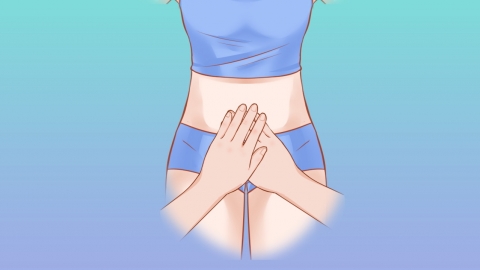
3. Engage in Moderate Postprandial Activity: Avoid prolonged sitting or lying down immediately after meals. Instead, opt for gentle activities such as slow walking. Mild physical movement promotes gastrointestinal peristalsis, accelerates gastric emptying and digestion, and rapidly relieves feelings of gastric fullness and distension.
4. Regulate Mental and Emotional Health: Chronic stress and anxiety suppress gastrointestinal motility, leading to delayed digestion and abdominal distension. Maintaining a calm, positive mindset and minimizing the accumulation of negative emotions helps preserve normal gastrointestinal rhythmic function.
5. Maintain Regular Sleep-Wake Cycles: Consistently go to bed early and rise early; avoid chronic sleep deprivation or late-night activity that exhausts the body. A stable circadian rhythm supports gastrointestinal repair, stabilizes organ metabolism, and gradually improves recurrent indigestion caused by gastrointestinal weakness.
In daily life, incorporate warm, soothing, fiber-rich foods that nourish the stomach and promote intestinal metabolism. Eliminate unhealthy habits—such as irregular meal timing and prolonged sedentary behavior after meals—and consistently practice these lifestyle modifications to steadily strengthen digestive capacity.


