


How to Regulate Poor Follicular Development

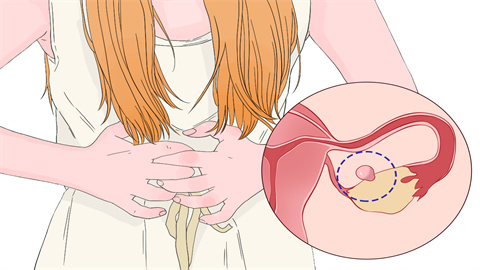
Poor follicular development can generally be improved through a comprehensive approach—including maintaining regular sleep-wake cycles, adopting a balanced diet, engaging in scientifically guided physical exercise, regulating psychological and emotional well-being, and, when necessary, using pharmacological interventions. These measures help gradually restore ovarian function and promote normal follicular growth and ovulation. If you experience any physical discomfort, consult a healthcare professional promptly.
1. Maintaining Regular Sleep-Wake Cycles: Chronic sleep deprivation directly disrupts endocrine rhythms and inhibits follicular development. Consistently going to bed early and waking up early ensures adequate sleep, stabilizes hypothalamic-ovarian secretory function, and provides a steady hormonal environment conducive to follicular growth.
2. Balanced Dietary Regulation: Maintain a nutritionally balanced daily diet, ensuring adequate intake of high-quality protein and essential trace elements. Limit consumption of high-fat and high-sugar foods, avoid abnormal weight fluctuations, sustain normal metabolic function, and thereby support healthy follicular development.
3. Scientific Physical Exercise: Engaging regularly in gentle aerobic exercise improves systemic blood circulation, effectively regulates metabolism and endocrine function, enhances ovarian blood supply, and elevates overall follicular developmental quality.
4. Psychological and Emotional Regulation: Prolonged stress and anxiety disrupt endocrine balance and impede follicular development. Cultivating a relaxed and stable mental state—and minimizing intense emotional fluctuations—helps maintain steady sex hormone secretion and supports rhythmic follicular development.
5. Pharmacological Intervention: For follicular developmental disorders caused by endocrine abnormalities, standardized medication under physician supervision may be prescribed. Such treatment aims to normalize hormonal levels, correct ovulatory dysfunction, and facilitate follicular maturation and timely ovulation.
In daily life, consistently practicing healthy lifestyle habits helps protect ovarian function and stabilize endocrine status. Regular monitoring of follicular development is recommended; if no improvement is observed over an extended period, prompt medical evaluation is advised to identify underlying causes and initiate appropriate interventions.


