


What Are the Early Warning Signs of a Heart Attack?

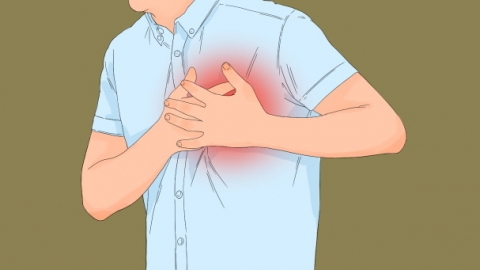
Prior to a myocardial infarction (heart attack), the body often exhibits several characteristic warning signs, including atypical chest tightness or pressure, radiating pain to the shoulders and back, unexplained palpitations and shortness of breath, generalized fatigue with cold sweats, and gastrointestinal discomfort. These symptoms frequently recur over several days or weeks before the onset of the event. If unexplained chest discomfort occurs repeatedly and progressively worsens, immediate medical evaluation is essential to rule out cardiac pathology.
1. Atypical chest tightness or pressure: Patients experience a crushing or constricting sensation in the chest, typically located behind the sternum. Symptoms are commonly triggered by physical exertion or emotional stress and may temporarily subside with rest. Recurrent episodes serve as an important early warning sign of severe coronary artery narrowing.
2. Radiating shoulder and back pain: Pain is not confined to the chest but may radiate to the left shoulder, upper back, or arms. In some individuals, only limb aching or numbness is present—easily mistaken for musculoskeletal strain—leading to under-recognition of underlying myocardial ischemia.
3. Unexplained palpitations and shortness of breath: Patients experience irregular heartbeats and chest tightness without obvious triggers, accompanied by a marked decline in exercise tolerance. Even minimal activity may cause dyspnea, indicating inadequate myocardial perfusion and early impairment of cardiac function.
4. Generalized fatigue and cold sweats: Persistent exhaustion and weakness occur despite minimal physical activity; cold sweats may appear unexpectedly during daytime or nighttime. These systemic symptoms often result from global hypoxia secondary to myocardial ischemia and represent classic pre-infarction manifestations.
5. Gastrointestinal discomfort: Some individuals develop nausea, abdominal distension, or vague epigastric pain prior to infarction—often without prominent chest pain. Such symptoms are frequently misdiagnosed as gastrointestinal disorders, especially among elderly or diabetic patients, and constitute atypical prodromal signs of myocardial infarction.
Maintain a heart-healthy diet low in saturated fat and sodium; engage regularly in moderate, low-impact physical activity; manage stress effectively and avoid excessive physical or emotional strain. Monitor blood pressure and lipid levels routinely, schedule regular health check-ups, and seek prompt medical attention whenever unusual bodily symptoms arise.


