


What Causes High Blood Pressure?

High blood pressure may result from emotional agitation, chronic sleep deprivation, hyperlipidemia, primary hypertension, or thyroid dysfunction. It can be improved through lifestyle adjustments—including regulating sleep-wake cycles, maintaining emotional stability, and adhering to prescribed medications. If blood pressure repeatedly rises or is accompanied by dizziness or other discomforts, prompt medical consultation is essential.
1. Emotional Agitation: Sudden intense emotional fluctuations—such as tension, anxiety, or anger—can stimulate vasoconstriction, causing a transient rise in blood pressure. Blood pressure typically returns gradually to normal once emotions stabilize. It is recommended to maintain psychological calmness in daily life, avoid extreme emotional swings, and promptly relieve stress when challenges arise.
2. Chronic Sleep Deprivation: Prolonged insufficient sleep or persistent circadian rhythm disruption impairs metabolic regulation, increases vascular burden, and leads to blood pressure fluctuations and elevation—often accompanied by mental fatigue, dizziness, and a heavy, foggy sensation in the head. Establishing regular sleep habits, ensuring adequate nightly rest, avoiding chronic late-night activity, and cultivating healthy sleep routines are strongly advised.
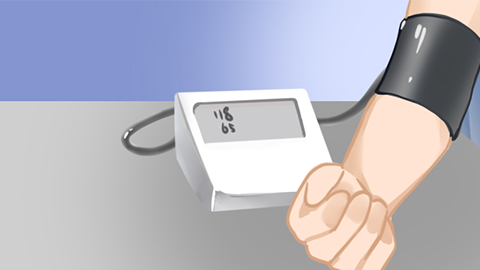
3. Hyperlipidemia: Elevated blood lipid levels increase blood viscosity and vascular resistance, thereby contributing to elevated blood pressure. Most individuals remain asymptomatic, with abnormalities detected only during routine physical examinations. Under physician guidance, lipid-lowering medications such as atorvastatin calcium tablets, rosuvastatin calcium tablets, or simvastatin tablets may be prescribed to manage this condition.
4. Primary Hypertension: Influenced by genetic and constitutional factors, impaired vascular regulatory function leads to sustained elevated blood pressure. Mild symptoms—such as dizziness or a sensation of head fullness—may occur. Under medical supervision, antihypertensive agents including nifedipine sustained-release tablets, amlodipine tablets, or irbesartan tablets may be used to alleviate symptoms.
5. Thyroid Dysfunction: Thyroid hormone imbalances disrupt systemic circulation and metabolic rate, increasing cardiovascular load and causing unstable blood pressure elevation. Associated symptoms may include palpitations and fatigue. Treatment options—under physician guidance—include methimazole tablets, levothyroxine sodium tablets, or propranolol tablets, depending on the specific thyroid disorder.
In daily life, adopt a light, low-fat, low-salt diet; engage regularly in moderate aerobic exercise (e.g., jogging or brisk walking); quit smoking and limit alcohol intake; maintain consistent sleep-wake patterns; cultivate a positive mental outlook; and commit long-term to cardiovascular health maintenance.


