


Can tomatoes lower blood pressure?

Tomatoes possess certain auxiliary effects in regulating blood pressure, but they cannot replace medications for treating hypertension. They may only serve as a dietary therapy ingredient to help stabilize blood pressure levels in daily life. If blood pressure readings persistently fluctuate upward and lifestyle adjustments fail to improve the condition, prompt hospital evaluation and standardized intervention are essential.
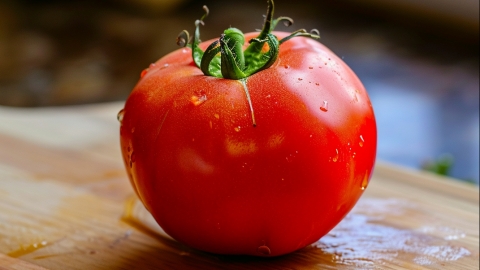
Tomatoes are rich in lycopene, vitamins, and potassium—nutrients that exert beneficial effects on cardiovascular health. Potassium promotes the excretion of excess sodium from the body, thereby reducing water and sodium retention in blood vessels and alleviating vascular pressure. Lycopene helps protect vascular endothelium and enhances arterial elasticity, slowing the progression of vascular hardening. Regular, moderate consumption of tomatoes may mildly assist in vasodilation and contribute to maintaining stable blood pressure in individuals with mild hypertension.
The blood pressure–lowering effect of tomatoes is extremely limited and gentle, lacking clinical therapeutic efficacy. Patients with primary or secondary hypertension cannot rely on tomato consumption alone to control their blood pressure; discontinuing prescribed antihypertensive medications in favor of dietary approaches risks recurrent blood pressure fluctuations. Effective hypertension management requires standardized pharmacological treatment combined with lifestyle modifications; tomatoes may only serve as a long-term supportive dietary therapy.
In daily life, consume fresh tomatoes in moderation alongside a variety of fruits and vegetables, adhering to a light, low-sodium diet. Maintain regular physical activity and adequate, consistent sleep to support long-term cardiovascular health and sustain stable blood pressure levels.


