


What tests are needed for a fluttering or palpitation sensation in the chest?

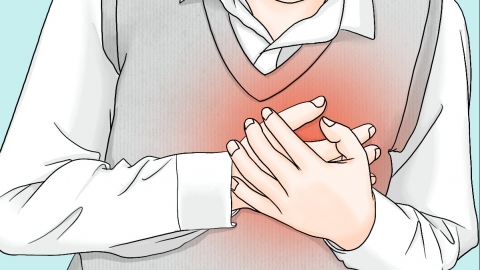
A sensation of palpitations or fluttering discomfort in the chest requires comprehensive evaluation to identify the underlying cause. Diagnostic tests—including electrocardiogram (ECG), echocardiography, blood tests, 24-hour Holter monitoring, and thyroid function tests—are essential to rule out cardiac and systemic abnormalities. If episodes of palpitations increase in frequency and begin interfering with daily activities, prompt consultation with a cardiologist is recommended for thorough evaluation and identification of potential triggers.
1. Standard Electrocardiogram (ECG): This test rapidly captures the heart’s real-time electrical activity and provides an immediate visual assessment of rhythm regularity. It serves as a fundamental screening tool for common arrhythmias such as premature beats and tachycardia, forming the initial diagnostic step for chest discomfort.
2. Echocardiography: This imaging modality clearly visualizes cardiac anatomy and ventricular motion, enabling assessment of systolic and diastolic function. It helps exclude structural heart diseases, including myocardial pathology and impaired cardiac function.
3. Basic Blood Tests: These include complete blood count (CBC) and cardiac enzyme panels, which help detect myocardial injury or anemia. Such testing clarifies whether systemic factors—such as inflammation, infection, or metabolic disturbances—are contributing to palpitations and chest discomfort.
4. 24-Hour Holter Monitoring: This ambulatory ECG continuously records cardiac electrical activity over a full day, capturing intermittent arrhythmias that may be missed during a standard ECG. It is particularly effective in identifying paroxysmal palpitations and their underlying triggers.
5. Thyroid Function Tests: These assess circulating thyroid hormone levels (e.g., TSH, FT3, FT4) to screen for endocrine disorders such as hyperthyroidism. Abnormal thyroid function is a well-established cause of palpitations and irregular heartbeat; thus, this test is critical in evaluating hormone-related cardiac symptoms.
In daily life, maintaining emotional stability—avoiding extreme mood fluctuations—and adhering to regular sleep-wake cycles (minimizing late-night activity and fatigue) are vital. Adequate rest helps reduce cardiac workload. Should chest discomfort recur frequently, timely medical evaluation—including appropriate diagnostic testing and targeted management—is strongly advised.


