


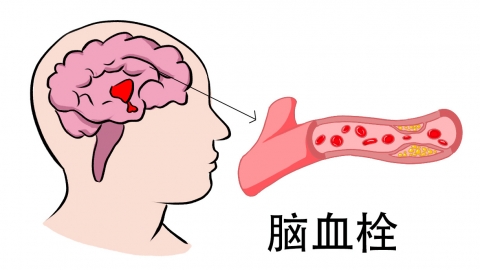
What are the sequelae of cerebral thrombosis?

After a cerebral thrombosis, patients may experience various sequelae—including motor impairment of the limbs, language dysfunction, cognitive decline, dysphagia, and emotional or psychological disturbances—significantly affecting their quality of life during recovery. If symptoms suddenly worsen during the rehabilitation phase, prompt re-evaluation is essential to rule out secondary complications.
1. Motor Impairment of the Limbs: This is a common sequela; patients may experience unilateral limb weakness, numbness, or reduced mobility. Some patients develop muscle rigidity and spasticity, resulting in abnormal gait patterns. In severe cases, hemiplegia may occur, rendering the affected limbs immobile for extended periods.
2. Language Dysfunction: This sequela damages the brain’s language centers, leading to slurred speech and difficulty expressing thoughts clearly. Some patients may struggle to comprehend spoken language or exhibit impaired reading and writing abilities—severely hindering daily communication.
3. Cognitive Decline: This sequela results from ischemic injury to brain cells, manifesting as memory impairment and slowed thinking. Patients often have difficulty concentrating; in more severe cases, they may display delayed reactions, progressive cognitive deterioration, or even mild dementia-like symptoms.
4. Dysphagia: This sequela impairs neural control of the pharynx and larynx, making patients prone to coughing or choking while eating or drinking. Swallowing becomes uncoordinated, reducing feeding efficiency and substantially increasing the risk of pulmonary infection.
5. Emotional or Psychological Disturbances: This sequela disrupts central nervous system regulation, predisposing patients to anxiety, depression, or emotional lability. Mood fluctuations are pronounced, with tendencies toward negativity and pessimism—impeding adherence to rehabilitation programs and delaying functional recovery.
Consistent, progressive rehabilitation training, a light and low-fat diet, and stable control of baseline parameters such as blood pressure and lipid levels are essential. Ongoing physical and mental care is crucial; if rehabilitation outcomes are suboptimal, timely medical consultation is necessary to reassess and adjust the rehabilitation plan.


