


What Are the Symptoms of Duodenal Ulcers?

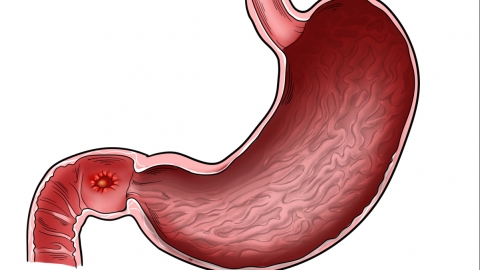
Typical clinical manifestations of duodenal ulcers are relatively consistent and commonly include: epigastric pain on an empty stomach, nocturnal rhythmic abdominal pain, acid reflux, heartburn, belching, altered appetite with weight fluctuations, and mild gastrointestinal discomfort. Symptoms typically recur in a rhythmic pattern. When symptoms frequently flare up and progressively worsen, timely specialized gastrointestinal examinations should be performed to clarify the diagnosis.
1. Epigastric Pain on an Empty Stomach: Patients experience dull or burning pain in the upper abdomen during fasting, which rapidly subsides after eating. This characteristic pain rhythm is the most representative feature of duodenal ulcers and helps differentiate them from other common gastric disorders.
2. Nocturnal Rhythmic Abdominal Pain: Patients often experience sudden abdominal pain during the late-night hours after falling asleep, disrupting normal sleep. Gastric acid concentration tends to be higher at night, continuously irritating the ulcerated area and triggering pain at predictable times.
3. Acid Reflux, Heartburn, and Belching: The lesion disrupts gastric acid–alkali balance and gastrointestinal motility, leading to frequent episodes of acid reflux and heartburn. Increased gastric gas expulsion results in recurrent belching and abdominal distension, chronically impairing gastrointestinal comfort.
4. Altered Appetite and Weight Fluctuations: Some patients deliberately reduce food intake due to fear that postprandial pain relief may be delayed. Prolonged inadequate nutrition leads to gradual weight loss.
5. Mild Gastrointestinal Discomfort: In mild cases, patients may present with intermittent epigastric fullness or vague upper abdominal discomfort—nonspecific symptoms that fluctuate in severity. These are easily mistaken for ordinary dyspepsia; prolonged neglect may allow the ulcer to progressively worsen.
Maintain regular mealtimes daily, avoid fasting, staying up late, binge eating, or overeating, and minimize consumption of spicy or irritating foods to gently protect the gastrointestinal mucosa. Consistently adhere to healthy dietary habits, and seek timely medical evaluation and treatment whenever gastrointestinal discomfort recurs.


