


What Are the Symptoms of Cholecystitis?

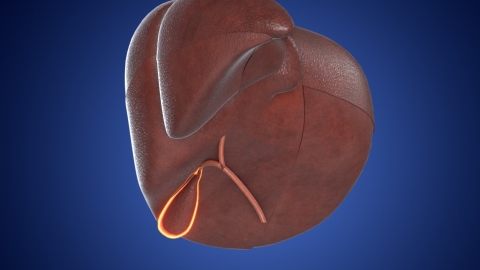
Common symptoms of cholecystitis include right upper quadrant abdominal pain, nausea, vomiting, indigestion, fever and chills, radiating dull aching pain to the back, and discomfort after consuming fatty foods. The severity and presentation of symptoms vary depending on the disease’s progression. If persistent abdominal discomfort fails to resolve, prompt medical evaluation is essential to rule out gallbladder pathology.
1. Right upper quadrant abdominal pain: The gallbladder is located in the right upper abdomen; inflammation causes localized distension or colicky pain. Symptoms typically worsen significantly after consuming fatty foods. Some patients experience paroxysmal pain—this is the most characteristic and hallmark symptom of cholecystitis.
2. Nausea, vomiting, and indigestion: Gallbladder inflammation impairs bile secretion, thereby disrupting normal digestion and nutrient absorption. Patients commonly experience nausea and retching; severe cases may involve vomiting. Additional manifestations of indigestion—such as abdominal bloating and food retention—are also frequently observed.
3. Fever and chills: Ongoing inflammation stimulates the immune system, triggering systemic responses. Mild cases may present with low-grade fever and subjective coldness; in severe infections, body temperature rises markedly, often accompanied by generalized fatigue and lethargy.
4. Radiating dull aching pain to the back: Due to shared neural pathways between the gallbladder and the shoulder/back regions, inflammatory pain may radiate to the right shoulder and upper back. Patients may experience unexplained dull aching or stiffness in the lumbar and dorsal regions—symptoms easily misattributed to muscular strain.
5. Discomfort after consuming fatty foods: Digestion of fatty foods requires substantial bile secretion, thereby increasing metabolic demand on the gallbladder. In patients with cholecystitis, high-fat meals rapidly provoke abdominal pain and bloating, exacerbating overall symptom burden.
Maintain a daily low-fat, light diet; eat regular, balanced meals and avoid overeating or binge eating. Limit intake of high-fat and high-cholesterol foods to reduce metabolic stress on the gallbladder. Seek timely medical evaluation and intervention whenever abnormal symptoms arise, to support and preserve gallbladder health.


