


What foods can help improve poor spleen and stomach function?

Weak spleen and stomach function can be improved through dietary adjustments using foods such as foxtail millet, pumpkin, eggs, shiitake mushrooms, and sweet potatoes. These ingredients are mild, warm in nature, and easily digestible, helping to reduce the burden on the spleen and stomach while gradually restoring their digestive and transformative functions. If symptoms of spleen-stomach discomfort persist or recur over a prolonged period without relief, timely medical consultation is essential for pattern differentiation and targeted treatment.
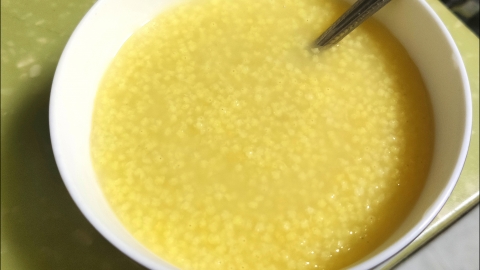
1. Foxtail millet: Mild and warming in nature, foxtail millet is a classic food for nourishing the stomach. It is highly digestible and readily absorbed by the gastrointestinal tract. Long-term consumption helps replenish the central Qi of the spleen and stomach, alleviating various symptoms associated with spleen-stomach deficiency—such as abdominal distension, food stagnation, and poor appetite.
2. Pumpkin: Soft, smooth, and mildly flavored, pumpkin is rich in diverse nutrients and non-irritating. It nourishes the fluids of the spleen and stomach and protects the gastric and intestinal mucosa, effectively improving conditions characterized by weak digestive-transformation function and sluggish intestinal metabolism.
3. Eggs: Nutrient-dense and rich in high-quality protein, eggs are easily absorbed and utilized by the human body. They supply essential nutrients without overburdening the digestive capacity of the spleen and stomach, thereby supporting gradual recovery of impaired spleen-stomach function.
4. Shiitake mushrooms: With a neutral medicinal property, shiitake mushrooms gently regulate the flow of Qi in the spleen and stomach. They help correct imbalances in digestive-transformation function, enhance gastrointestinal digestion and absorption efficiency, and alleviate chronic indigestion caused by spleen-stomach deficiency.
5. Sweet potatoes: Sweet potatoes tonify the middle burner and benefit Qi, while also warming and nourishing the spleen and stomach—making them especially suitable for individuals with cold-deficiency patterns of the spleen and stomach. They alleviate abdominal discomfort due to coldness in the spleen and stomach and help regulate typical manifestations of spleen-stomach deficiency, such as loose stools.
In daily life, maintain regular, light meals; control portion sizes to avoid overeating; and minimize intake of raw, cold, greasy, or heavy foods. Consistently incorporate gentle, nourishing foods to support spleen-stomach health and progressively strengthen digestive and transformative capacity.


