What Causes Abdominal Bloating and Pain?
Aug 05, 2026
Source: Cainiu Health

Dr. Huang Yuhong
Introduction
Abdominal distension and pain may result from overeating, prolonged sedentary behavior, chronic gastritis, intestinal dysbiosis, or chronic enteritis. These symptoms can be alleviated through regular meals, moderate physical activity, and targeted medication. However, if the distension and pain persist for an extended period or recur frequently, prompt medical consultation is essential. Consuming a large amount of food within a short time increases the digestive burden on the gastrointestinal tract, causing food to accumulate in the stomach.
Abdominal distension and pain may result from overeating, prolonged sitting, chronic gastritis, intestinal dysbiosis, or chronic enteritis. Symptoms can be improved through regular meals, moderate physical activity, and targeted medication. However, if the distension and pain persist long-term or recur frequently, prompt medical consultation is essential.
1. Overeating: Consuming large amounts of food within a short period increases the digestive burden on the gastrointestinal tract. Undigested food accumulates in the stomach and intestines, leading to excessive gas production and subsequent abdominal distension and pain. It is recommended to adopt a habit of eating smaller, more frequent meals, chewing food thoroughly and slowly, and avoiding excessive intake at one time.
2. Prolonged Sitting: Extended periods of sedentary behavior slow down gastrointestinal motility, impairing normal expulsion of intestinal gas and metabolic waste. This accumulation leads to persistent abdominal fullness and dull pain. It is advisable to stand up and move regularly throughout the day and take a moderate walk after meals to promote gastrointestinal motility and alleviate discomfort.
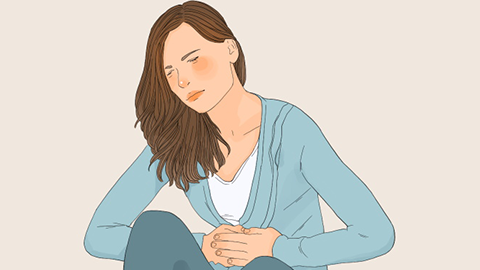
3. Chronic Gastritis: Mild inflammation of the gastric mucosa impairs digestive function, causing delayed food digestion and increased gas production. This often results in recurrent upper abdominal distension and pain, with symptoms markedly worsening after meals. Under physician guidance, medications such as omeprazole enteric-coated capsules, hydrotalcite chewable tablets, and domperidone tablets may be used to relieve symptoms.
4. Intestinal Dysbiosis: A reduction in beneficial gut bacteria and an overgrowth of harmful bacteria disrupt normal food fermentation, resulting in excessive gas production and generalized abdominal distension and pain. Some individuals may also experience mild borborygmi (audible intestinal rumbling). Under medical supervision, probiotic agents—including Bifidobacterium triple live bacterial capsules, lactobacillus tablets, and Bacillus licheniformis live bacterial capsules—may help alleviate symptoms.
5. Chronic Enteritis: Chronic inflammatory stimulation of the intestinal mucosa interferes with normal intestinal motility and absorption, leading to disordered digestive function and recurrent abdominal distension and pain. Symptoms typically worsen following exposure to cold or consumption of inappropriate foods. As directed by a physician, medications such as smectite powder, Changyan Ning tablets (a traditional Chinese medicine formulation), and pinaverium bromide tablets may be used to improve symptoms.
Maintain a light, easily digestible diet daily; avoid gas-producing, raw/cold, or spicy foods. Engage in regular, moderate exercise and adhere to consistent sleep-wake cycles to support optimal gastrointestinal health and reduce the occurrence of abdominal distension and pain.