


Can dandelion treat skin diseases?

While dandelion may serve as an adjunctive therapy for certain heat-related skin conditions, it cannot cure all dermatological disorders. It should only be used as a supportive skincare measure and must never replace standard clinical treatment. If recurrent inflammation, extensive skin lesions, or persistent pruritus occur, prompt evaluation and management by a qualified dermatologist are essential.
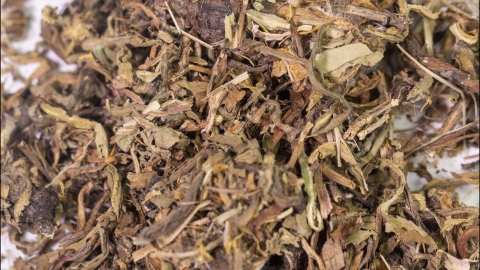
Dandelion possesses a relatively cold and cooling nature, with pharmacological actions including clearing heat, detoxifying, and reducing swelling—thereby alleviating skin issues caused by damp-heat or toxic heat. For mild skin conditions such as erythema, slight inflammation, or damp-heat–type rashes, appropriate topical or oral use of dandelion may help mitigate localized heat and inflammatory responses and relieve associated cutaneous discomfort.
Dandelion is not suitable for all skin diseases; it offers minimal or no therapeutic benefit for deficiency-cold, dryness-related, or allergic skin conditions. Indiscriminate use of dandelion for skin management may exacerbate dryness and sensitivity, delay proper medical intervention, and even disrupt the skin barrier, thereby worsening preexisting dermatological conditions.
Maintain daily skin cleanliness and dryness; adhere to gentle, barrier-supportive skincare routines; follow regular sleep patterns; and consume a light, balanced diet—all of which help stabilize systemic metabolism and reduce the underlying drivers of cutaneous inflammation, thereby promoting long-term skin health.


