


How to Care for Cervical Spondylosis at Home

Cervical spondylosis home care includes adjusting daily posture, performing gentle neck stretches, applying warm compresses to relax muscles, selecting appropriate bedding, and limiting the duration of forward head posture—these multifaceted approaches collectively reduce cervical spine compression and alleviate neck and shoulder soreness, stiffness, and tightness. If neck pain or numbness progressively worsens, prompt medical evaluation is essential.
1. Adjust daily posture: Maintain an upright lumbar and thoracic spine while working at a desk or viewing screens; keep your eyes level with the screen, avoid tilting your head or elevating your shoulders, refrain from prolonged sitting with your body rotated to one side, and minimize unilateral cervical loading to prevent overuse injury.
2. Gentle neck stretching: Slowly perform flexion (chin-to-chest), extension (looking upward), and lateral rotation movements. Execute each motion smoothly and gently—avoid forceful or jerky twisting. Perform brief sessions repeatedly to relax tense neck and shoulder muscles and promote blood and qi circulation in the cervical region.
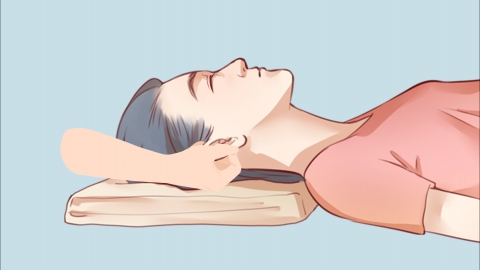
3. Warm compress for muscle relaxation: Apply a warm compress (e.g., hot pack or warm towel) to the posterior neck area for an appropriate duration per session. This helps dissipate local blood stasis, relax stiff soft tissues, and relieve cervical soreness and discomfort.
4. Select suitable bedding: Choose a pillow with optimal height that maintains natural cervical lordosis. Avoid excessively high or overly soft pillows. Alternate between supine and side-lying positions during sleep to provide balanced nocturnal support for the cervical spine and minimize bone and ligament strain.
5. Limit forward head posture duration: Periodically set aside electronic devices; stand up and move around at regular intervals. Avoid prolonged forward head posture to prevent progressive loss of cervical lordosis and worsening of symptoms.
During leisure time, engage in gentle outdoor walking and shoulder–neck stretching exercises; reduce prolonged desk work; maintain warmth around the neck and shoulders, and avoid direct exposure to cold drafts. Consistent adherence to these practices supports long-term cervical stability and health.


