


What Causes Lower Back Pain?

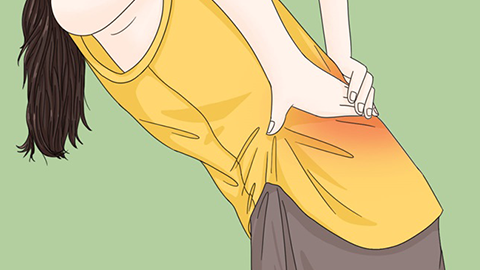
Lumbar pain may result from prolonged sitting, exposure of the lower back to cold, lumbar muscle strain, lumbar fasciitis, or mild lumbar disc herniation. It can be alleviated through gentle lumbar movement, proper thermal protection, and targeted medication. However, if lumbar pain is accompanied by numbness or weakness in the lower limbs, prompt medical evaluation is essential.
1. Prolonged Sitting: Maintaining a seated posture for extended periods causes sustained tension in the lumbar muscles and impairs local blood circulation. Upon standing or moving, individuals often experience soreness and discomfort in the lower back. It is recommended to stand up and move every hour, incorporating gentle waist-twisting exercises to avoid maintaining fixed postures for long durations.
2. Cold Exposure to the Lumbar Region: Prolonged direct exposure of the waist and abdomen to cold air or contact with cold water induces local vasoconstriction and muscular spasm, leading to transient sharp pain during bending or exertion. Daily use of a lightweight lumbar support brace and regular application of warm, moist towels to the lower back are advised. Additionally, avoid damp, cold environments.
3. Lumbar Muscle Strain: Repetitive heavy loading or traction on the lumbar musculature over time triggers sterile inflammation. Significant soreness typically occurs after daily bending or physical labor and may slightly improve with rest. Under physician guidance, medications such as diclofenac sodium sustained-release tablets, blood-activating and pain-relieving plasters, and Yaobi Tong capsules may be used to alleviate symptoms.
4. Lumbar Fasciitis: Minor injury to the lumbar fascia leads to edema and adhesions, resulting in morning stiffness and tightness in the lower back; pain tends to ease somewhat after brief activity. Patients may, under medical supervision, use celecoxib capsules, flurbiprofen gel patches, or Da Huo Luo capsules to relieve discomfort.
5. Mild Lumbar Disc Herniation: Slight compression of surrounding soft tissues by the intervertebral disc causes distending pain in the low back after prolonged sitting or standing. Some individuals also experience mild radiating soreness or tension in the lower limbs. As prescribed by a physician, loxoprofen sodium tablets, mecobalamin tablets, and Tongluo Qutong plaster may help improve symptoms.
In daily life, choose a mattress with moderate firmness, minimize bending while lifting heavy objects, ensure adequate thermal protection for the lumbar region, and consistently practice gentle walking and stretching exercises to relax the lumbar and dorsal musculature and maintain spinal stability.


