


What Are the Treatment Options for Fractures?

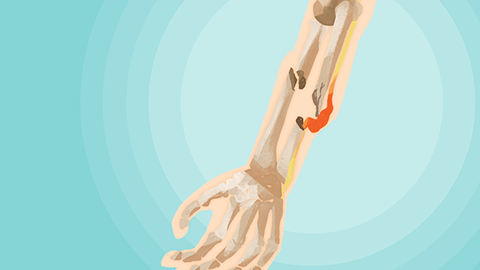
Fracture treatment may involve manual reduction, plaster immobilization, orthotic stabilization and protection, surgical open reduction, and adjunctive pharmacological therapy. Treatment is tailored to the severity of the fracture to restore proper bone alignment and healing, thereby enabling recovery of normal limb function. In cases of severe fracture injury, prompt medical attention and professional treatment are essential.
1. Manual Reduction:
This approach is suitable for mild-displacement closed fractures. A physician uses specialized manual techniques—including traction, manipulation, and kneading—to realign displaced bone fragments into their anatomically correct positions. As a non-invasive method, it rapidly corrects bone misalignment and establishes optimal conditions for subsequent healing.
2. Plaster Immobilization:
Following successful manual reduction, plaster casting is applied to immobilize the affected area. This restricts flexion, extension, rotation, and other movements at the fracture site, stabilizing bone alignment, preventing secondary displacement, and protecting injured bone and surrounding soft tissues. It is appropriate for most stable fractures during the recovery phase.
3. Orthotic Stabilization and Protection:
For minor bone cracks or highly stable fractures, orthopedic braces may be used instead of plaster casts. These braces offer superior breathability and ease of application while providing controlled immobilization. They reduce localized pressure and support light daily activities during the rehabilitation period.
4. Surgical Open Reduction:
This procedure is commonly indicated for comminuted fractures or severely displaced fractures. Through surgical incision and direct visualization, bone fragments are precisely repositioned and stabilized internally using plates and screws. This approach maximizes structural restoration of the bone and ensures optimal postoperative limb function.
5. Adjunctive Pharmacological Therapy:
During fracture recovery, symptom-targeted medications may be prescribed to alleviate local swelling, pain, and ecchymosis. Additionally, bone-healing promoters—such as calcium supplements, vitamin D, or bone metabolism regulators—may be administered to improve local blood circulation, accelerate callus formation, and shorten overall recovery time.
During fracture recovery, maintain regular sleep-wake cycles and a light, nutritious diet rich in calcium and protein. Gradually initiate structured rehabilitation exercises, avoid weight-bearing activities, and consistently protect the affected area to steadily restore muscle strength and joint mobility.


